


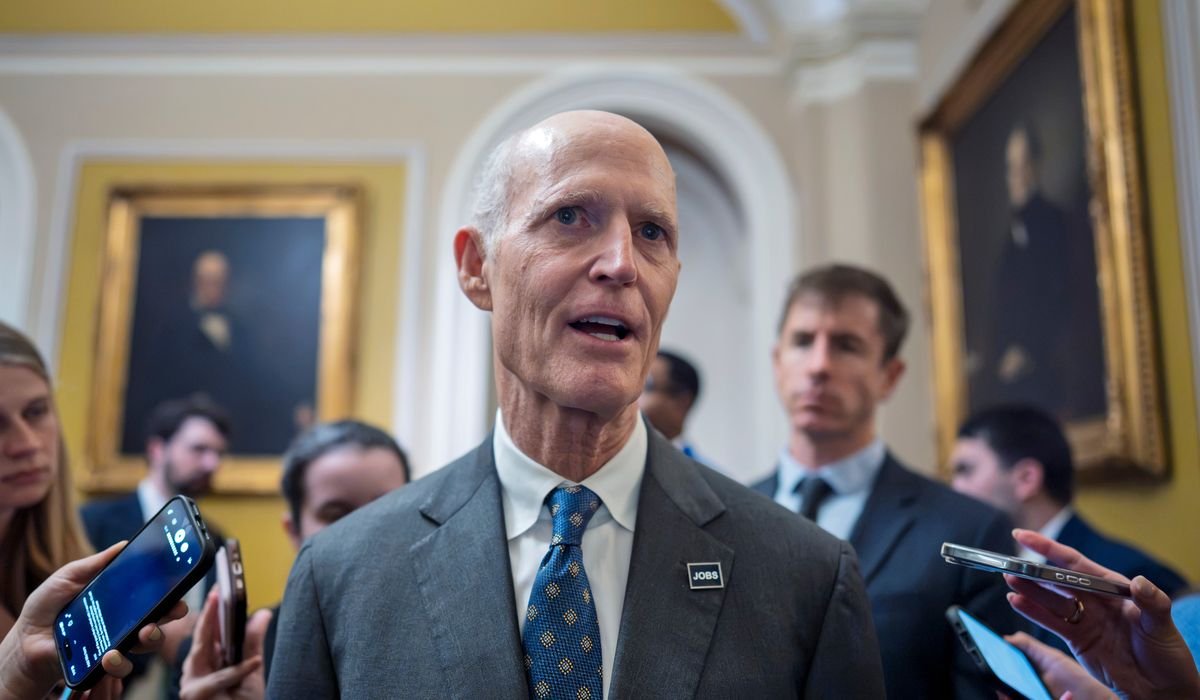
Senator Rick Scott is advocating for the Trump administration to eliminate existing tariff exemptions for pharmaceuticals linked to forced labor in China, specifically concerning the Uyghur population. In a letter to U.S. Trade Representative Jamieson Greer, Scott proposed imposing tariffs on generic drugs and their ingredients that are produced under conditions of forced labor or government-supported market distortions, such as subsidies.
Scott emphasized that implementing these tariffs would address unfair trade practices, lessen reliance on foreign supply chains, and encourage the growth of domestic pharmaceutical manufacturing. He referenced reports alleging that certain suppliers within the U.S. generic drug sector may utilize Uyghur forced labor from China’s Xinjiang Uyghur Autonomous Region, highlighting Sinopharm, a major state-owned Chinese pharmaceutical entity.
He called on the administration to apply Section 301 tariffs to generic pharmaceuticals from China and other countries engaged in "predatory forced labor practices." Under the Uyghur Forced Labor Prevention Act, goods produced wholly or partially in Xinjiang, or by entities listed on the U.S. government’s Entity List, are presumed to involve forced labor and are thus prohibited from entering the United States.
While the U.S. Trade Representative’s current proposal exempts pharmaceuticals from certain tariffs, Scott urged that the agency establish additional tariff categories for the most severe offenders. In his letter, he condemned China’s reputation as a violator of both trade ethics and human rights.
Why this story matters:
- The proposed tariffs could significantly impact the pharmaceutical supply chain and address ethical labor practices.
Key takeaway:
- Senator Scott advocates for stringent tariffs on drugs tied to forced labor as a means to support fair trade and domestic manufacturing.
Opposing viewpoint:
- Some industry stakeholders argue that imposing these tariffs may disrupt the pharmaceutical supply chain and lead to increased drug prices for consumers.