


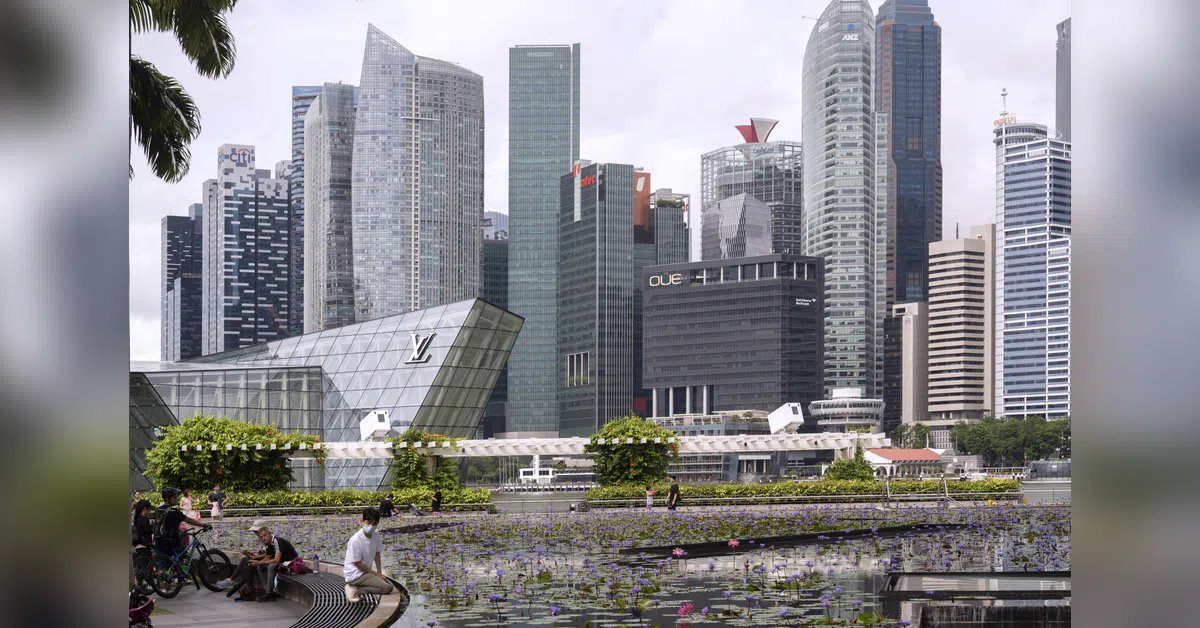
The Monetary Authority of Singapore (MAS) is engaging in discussions with investment firms regarding potential tax reductions for fund managers, aiming to enhance the city’s competitiveness and retain top talent. This consideration follows concerns raised by fund executives about Hong Kong’s impending tax reforms, which may incentivize relocations to that region.
As reported by the Financial Times, sources indicate that Hong Kong’s government is proposing tax exemptions for alternative asset managers on carried interest, which constitutes a significant portion of fund managers’ annual earnings. This initiative is part of a larger strategy by Hong Kong to attract international firms and executives, having already streamlined regulations for family offices and embraced cryptocurrencies to solidify its status as a leading financial hub.
An MAS spokesperson confirmed the review of measures to strengthen Singapore’s position as a dynamic and trusted financial center. Among the discussed incentives is a reduction in the tax rate under a special program for investment groups, lowering it from Singapore’s standard corporate tax rate of 17% to 10%. This change could enable firms to offer more attractive compensation packages to portfolio managers.
The evolving landscape of tax policies in both cities is critical as they vie for dominance in the financial sector, with each aiming to attract global talent and investment.
Why this story matters:
- The financial competitiveness of Singapore and Hong Kong could significantly affect global investment trends.
Key takeaway:
- Singapore is considering tax incentives to counteract Hong Kong’s proposed reforms aimed at attracting fund managers.
Opposing viewpoint:
- Some analysts argue that the measures in Hong Kong could be effective in rebuilding its attractiveness as a financial center, potentially undermining Singapore’s position in the process.