


Travelers are facing rising costs as summer approaches, with airfare and gas prices significantly higher than last year. Domestic round-trip airfares averaged $623 in April, marking a near four-year high, driven by increasing jet fuel costs. These costs have surged due to geopolitical tensions, particularly following military actions involving Iran. As a result, many airlines are reevaluating their growth strategies and may reduce the number of available flights, potentially leading to even higher prices.
The recent collapse of Spirit Airlines, attributed partially to rising fuel prices, underscores these challenges in the airline industry. This failure has eliminated a key source of low fares, intensifying competition among other carriers to capture Spirit’s former customers. Despite these issues, consumer demand remains robust, with airlines like United and American expecting to transport millions more travelers this summer compared to last year.
For those planning road trips, conditions are not much better, with AAA forecasting only a slight increase in travelers on the roads. Gas prices are also expected to rise to an average of $4.48 per gallon, compared to $3.14 last year, which could further deter budget-conscious travelers.
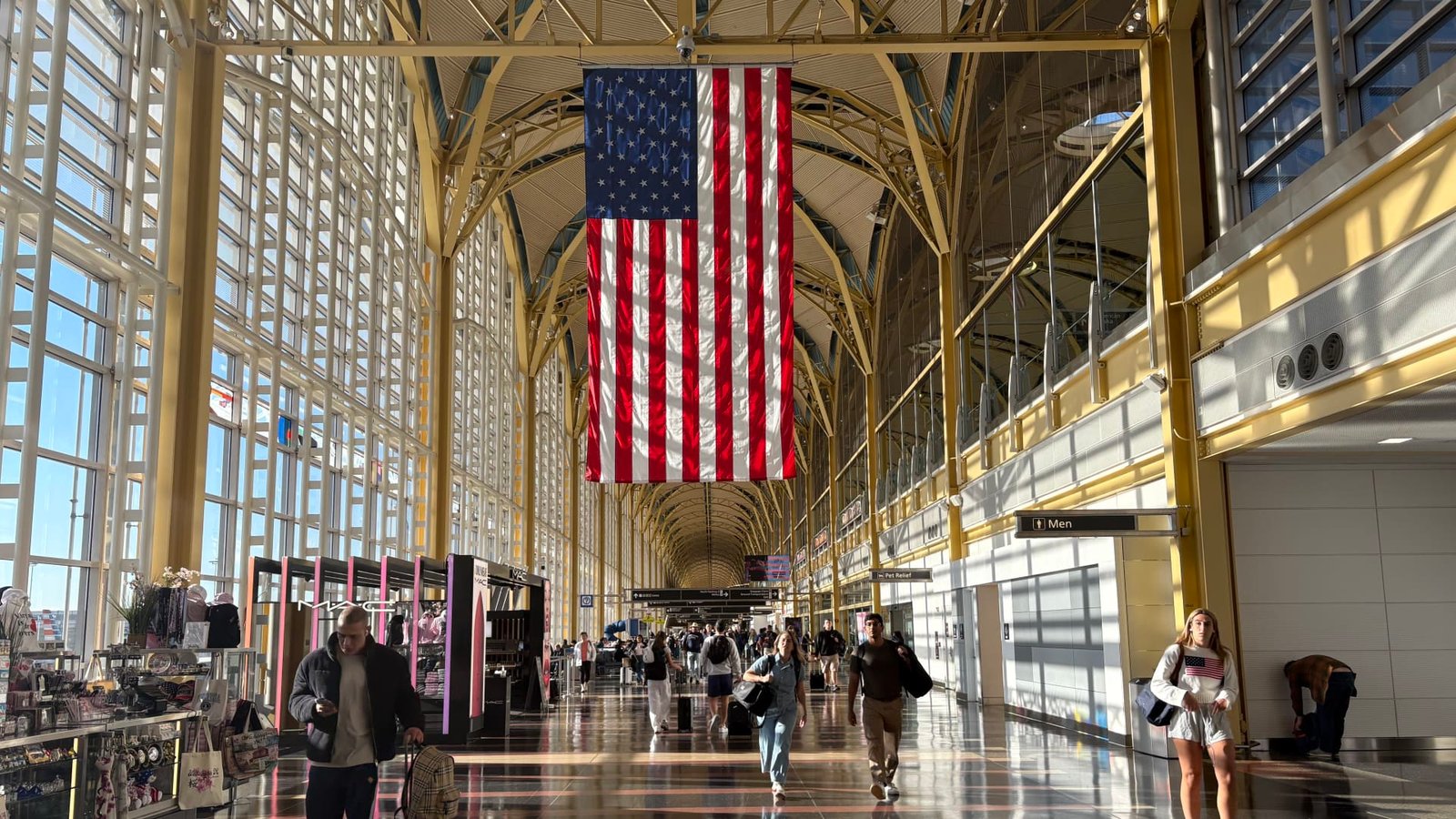
As summer travel begins with Memorial Day weekend, both airlines and consumers will be navigating this challenging landscape of escalating costs and fluctuating demand.
Why this story matters:
- The rising costs of travel impact consumer choices and airline business strategies, influencing the summer travel season.
Key takeaway:
- Higher fuel prices are leading to increased airfare and gas costs, which may reshape consumer travel plans.
Opposing viewpoint:
- While costs are rising, demand for travel remains strong, indicating consumers are still willing to pay for experiences.