
Shares of energy companies experienced a significant decline as oil prices plummeted by over 12%, following Iran’s announcement to open the Strait of Hormuz to commercial shipping during a ceasefire between Israel and Lebanon. Notable declines included APA Corporation, which fell over 9%, Valero Energy dropping more than 8.5%, and Occidental Petroleum down over 7%. Exxon Mobil and Chevron also reported decreases of 5% and 4%, respectively.
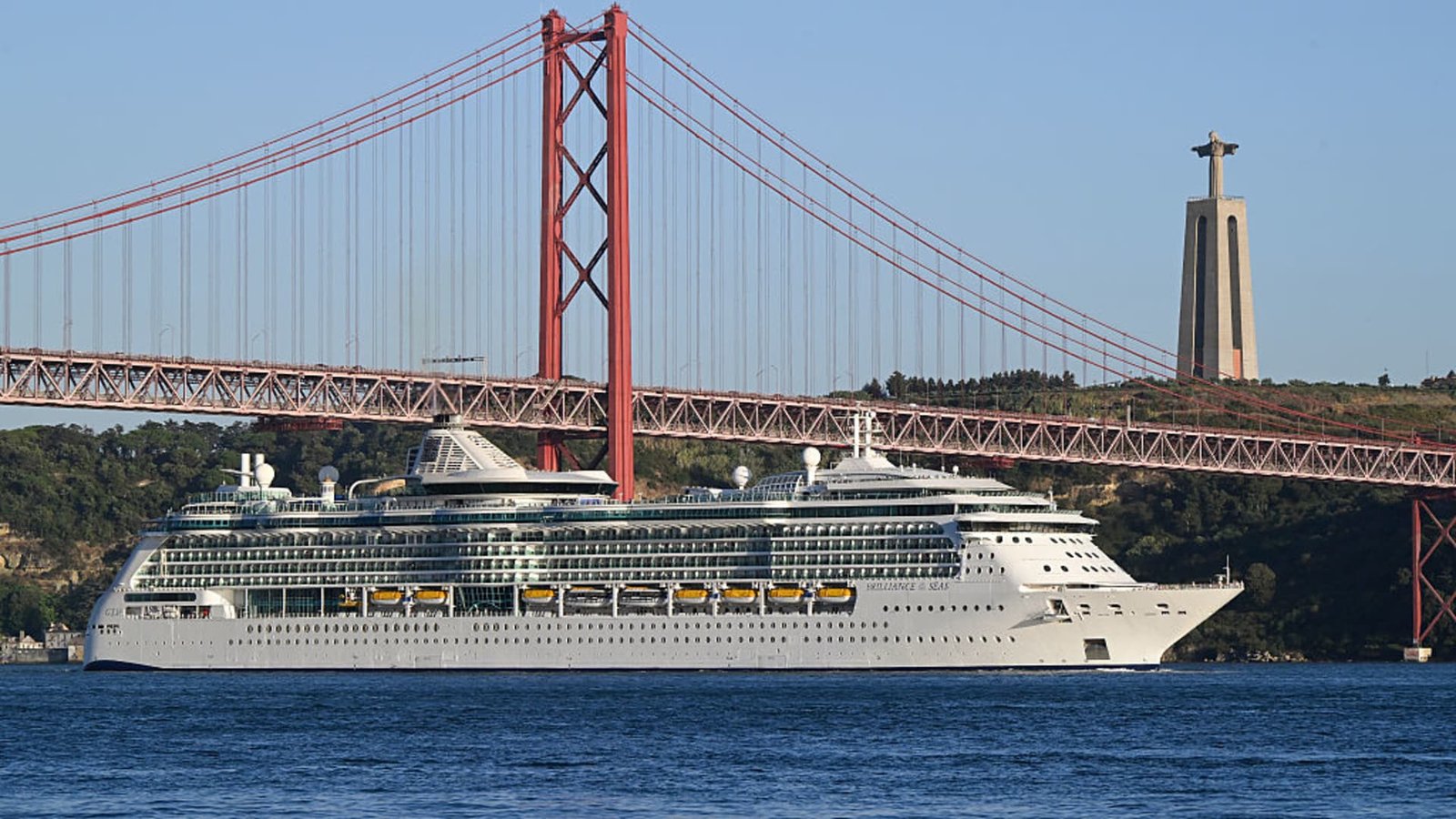
In contrast, travel-related stocks surged after the Strait of Hormuz reopening. Royal Caribbean’s shares increased by 9.7%, with United Airlines and Expedia also posting gains of over 9% and 5%, respectively.
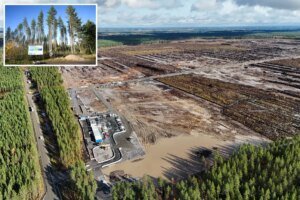
Meanwhile, Critical Metals saw a remarkable boost of over 40% after Greenland’s government approved a transfer of interest in Tanbreez Mining, increasing the company’s stake to 92.5%. Additionally, the bitcoin treasury company Strategy advanced approximately 13%, as Bitcoin rose by 3% to exceed $77,000, making its holdings profitable after earlier price drops.
Auto supplier Autoliv reported strong financial results, resulting in a 10% increase in stock value. Conversely, Badger Meter experienced an 18% decline after its first-quarter results fell short of expectations. Netflix’s shares dipped by 9% as its earnings projection disappointed investors, while Alcoa’s shares fell 7% due to missing earnings and revenue estimates.
On the bright side, technology firms like Onto Innovation gained over 8% following an earnings beat and an upgrade from analysts at Stifel Financial. Ally Financial also saw a 9% jump after reporting better-than-expected earnings but lower revenue.
Why this story matters:
- The fluctuations in energy, travel, and technology stocks highlight the volatility influenced by geopolitical events and earnings reports.
Key takeaway:
- The reopening of the Strait of Hormuz has significant implications for various industries, particularly energy and travel.
Opposing viewpoint:
- Some analysts believe that the positive impacts on travel stocks may be short-lived, depending on future geopolitical developments.