


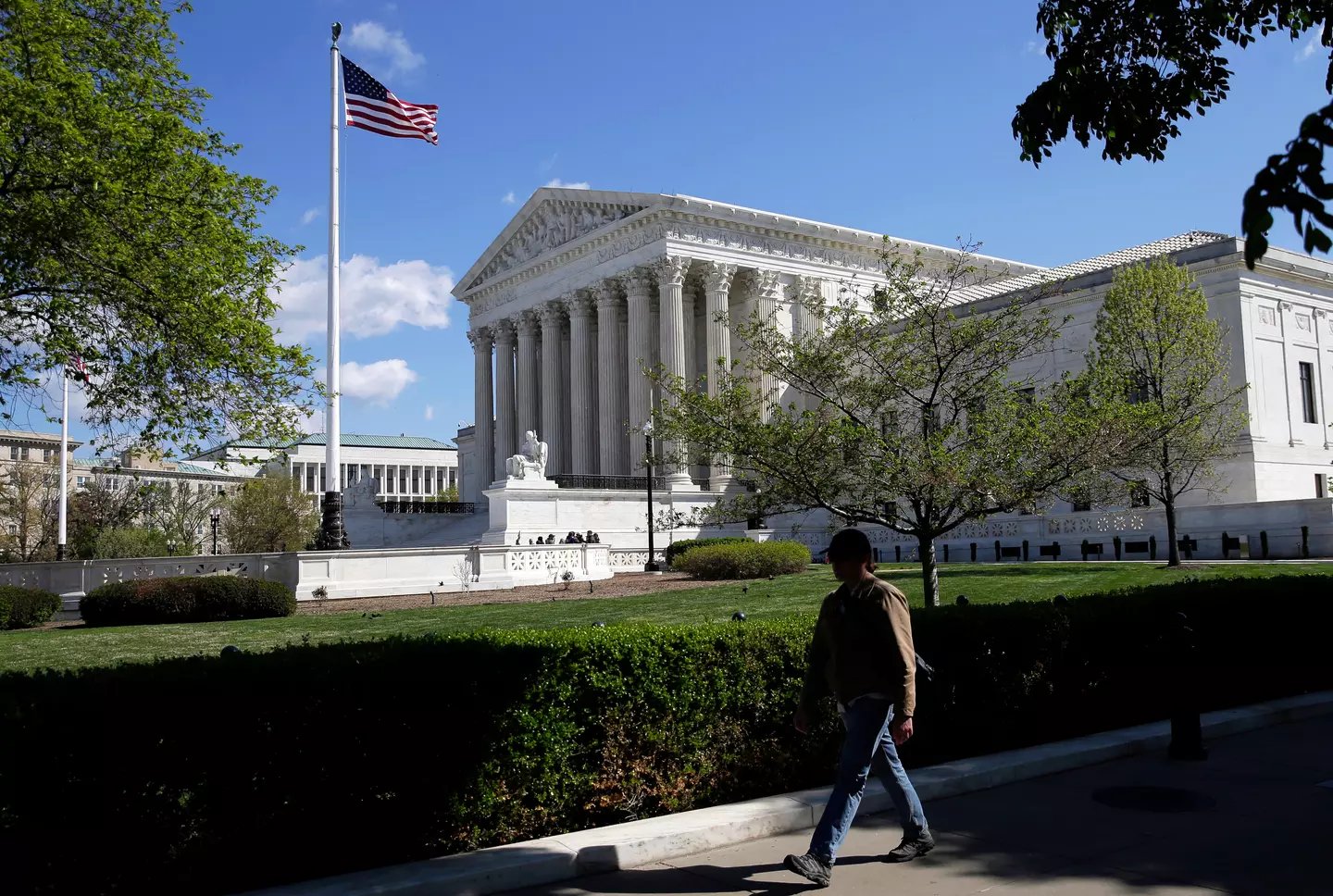
The Supreme Court has decided that Chevron, the multinational energy corporation, is entitled to have a climate change lawsuit adjudicated in federal court rather than in a state court that may be less favorable to its interests. This ruling marks a notable legal victory for oil companies, who are gearing up to confront numerous lawsuits related to climate change.
The case reflects broader trends in the ongoing debate over energy policies and regulations, particularly as various jurisdictions take differing approaches to environmental issues. By enabling cases to be shifted to federal court, the ruling may influence the legal landscape for corporations facing challenges related to climate responsibilities.
As climate change lawsuits proliferate, the implications of this decision could extend beyond Chevron, shaping how similar cases are managed across the energy sector and potentially impacting future legislation and corporate practices in addressing climate change.
Why this story matters
- The ruling may set a precedent for how climate change-related lawsuits are handled, influencing corporate accountability.
Key takeaway
- The Supreme Court’s decision favors corporate interests by allowing federal jurisdiction over climate lawsuits.
Opposing viewpoint
- Critics argue that this shift to federal court may undermine accountability for companies contributing to climate change.