


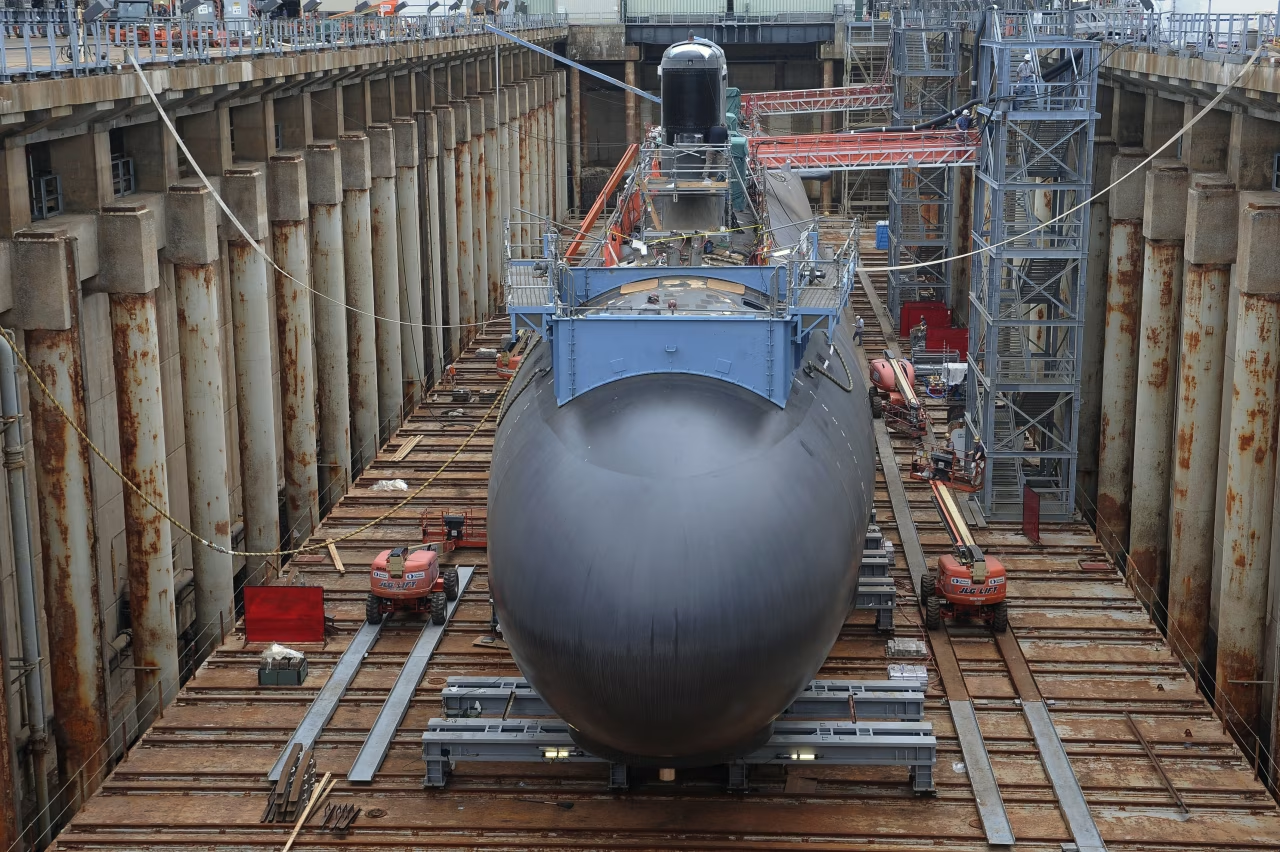
Groton, Connecticut, faces renewed pressure to revitalize its economy and workforce as demand for military spending resurfaces. Once a hub for naval construction and defense contracting, Groton has struggled since the decline of Cold War-era military budgets approximately 30 years ago. The community witnessed significant job losses and a downturn in local economic activity as military contracts dwindled.
Recently, there has been a revival of interest in defense spending due to increasing global tensions and a focus on national security. This shift presents Groton with an opportunity to reinvigorate its naval shipyard and attract new investments. Local leaders and economic development advocates are emphasizing the importance of leveraging this renewed interest to create jobs and stimulate growth in the region.
The Groton area, home to key naval facilities such as the Electric Boat shipyard, is positioning itself to be a central player in national defense efforts. Economic strategists are suggesting that by enhancing workforce training programs and investing in infrastructure, Groton can not only revive its historical role in defense but also adapt to modern challenges. Local officials are hopeful that renewed military investments will provide the necessary impetus for economic recovery and job creation.
While the community welcomes the prospect of this renewed military focus, there are concerns about the long-term sustainability of such economic dependence on defense contracts. Critics argue that reliance on military spending can lead to economic volatility and reduced investment in diverse sectors.
Why this story matters:
- The economic revival of Groton could symbolize a shift in national defense priorities.
Key takeaway:
- Groton is working to leverage renewed military spending as an opportunity for economic recovery and job growth.
Opposing viewpoint:
- Critics caution that emphasizing defense contracts may lead to economic instability and limit diversification.