


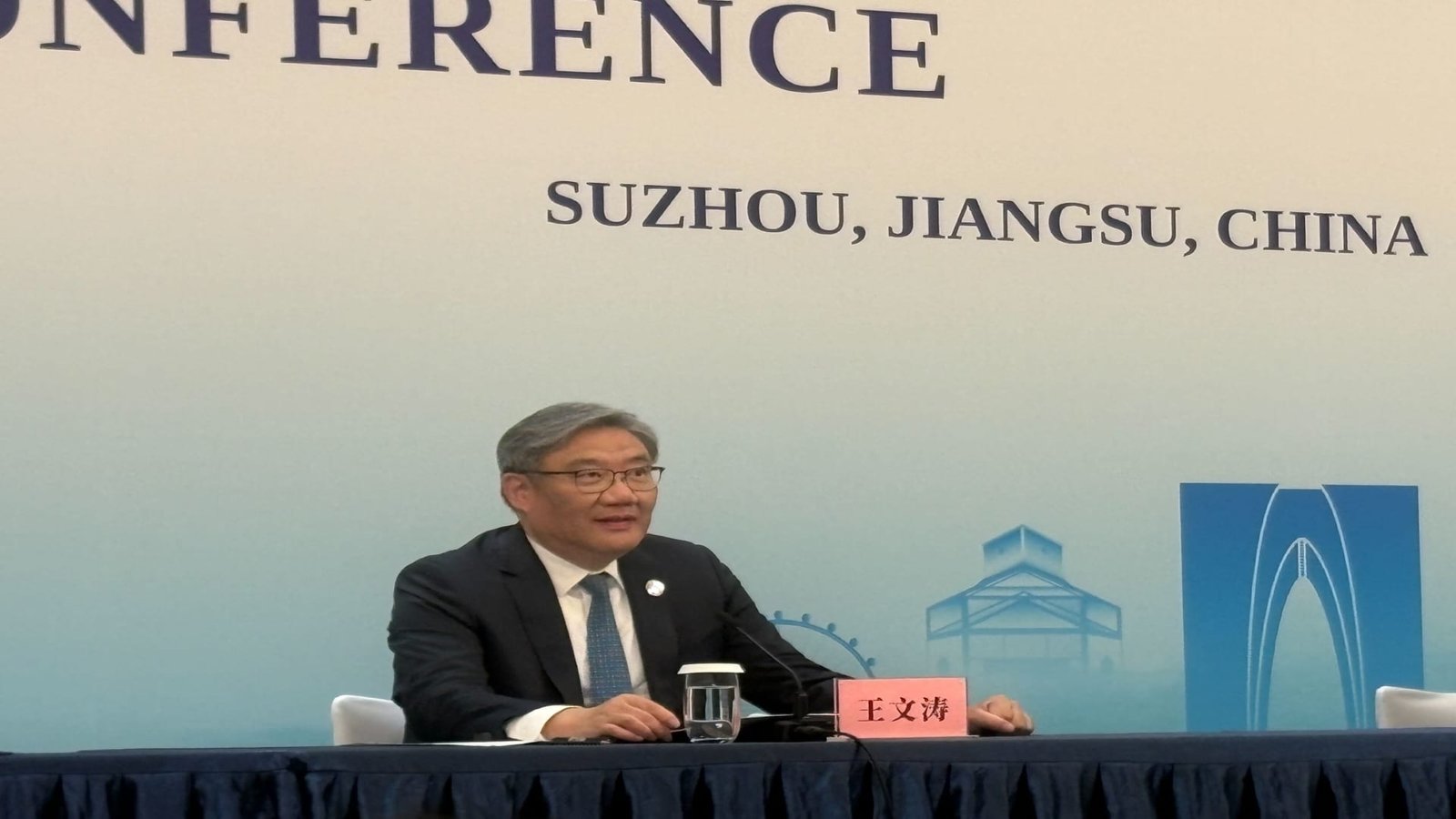
China’s Commerce Minister Wang Wentao held a press conference on May 23, 2026, following the conclusion of the APEC trade ministers’ meeting in Suzhou, China. This event came shortly after a summit between the U.S. and Chinese presidents in Beijing, highlighting the contrasting priorities of the two nations regarding trade in Asia.
China’s economy, which depends significantly on exports, benefits from free trade, contributing to a substantial portion of the global goods market. During the press conference, Wang emphasized the importance of a free trade agreement, denoting it as a primary outcome of the meeting. He stated that APEC members expressed renewed commitment to advancing the Free Trade Area of the Asia Pacific (FTAAP) amidst global economic uncertainties.
Conversely, U.S. representatives prioritized balanced trade, a cornerstone of the Trump administration’s tariff policies. Casey K. Mace, the U.S. Senior Official at APEC, indicated that while the U.S. is involved in elements of the FTAAP agenda, it is more of a larger framework than an end goal.
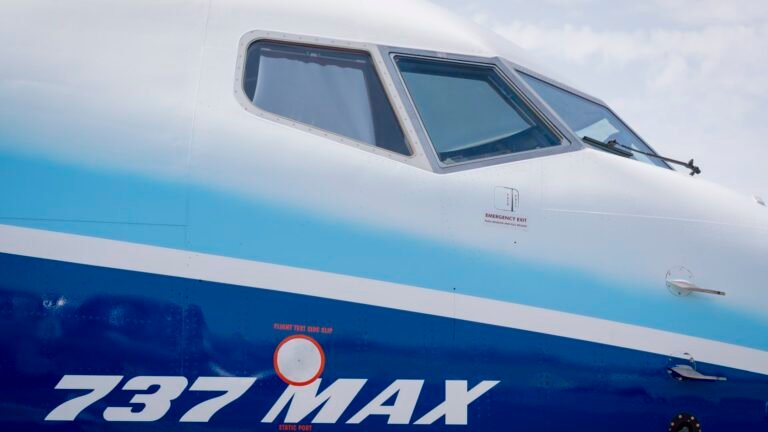
Looking ahead, details about the implementation of "constructive strategic stability" between the U.S. and China remain limited. While China plans significant purchases of U.S. goods, such as airplanes and agricultural products, both sides recognized the need to finalize economic outcomes discussed in their recent meeting.
Additionally, the tech competition between the U.S. and China is expanding, particularly regarding digital trade and artificial intelligence (AI). Wang mentioned a consensus on enhancing digital trade cooperation and facilitating e-commerce in the region. The U.S., meanwhile, is focusing on maintaining its technological leadership in Asia, with upcoming workshops for regional tech firms.
Why this story matters
- It showcases the differing trade priorities and strategies of the U.S. and China, two of the world’s largest economies.
Key takeaway
- The APEC meeting highlighted ongoing tensions and differing approaches to trade agreements, tech competition, and global economic stability.
Opposing viewpoint
- While China emphasizes free trade agreements, the U.S. focuses on balanced trade and tariffs, illustrating a fundamental divergence in economic philosophies.