



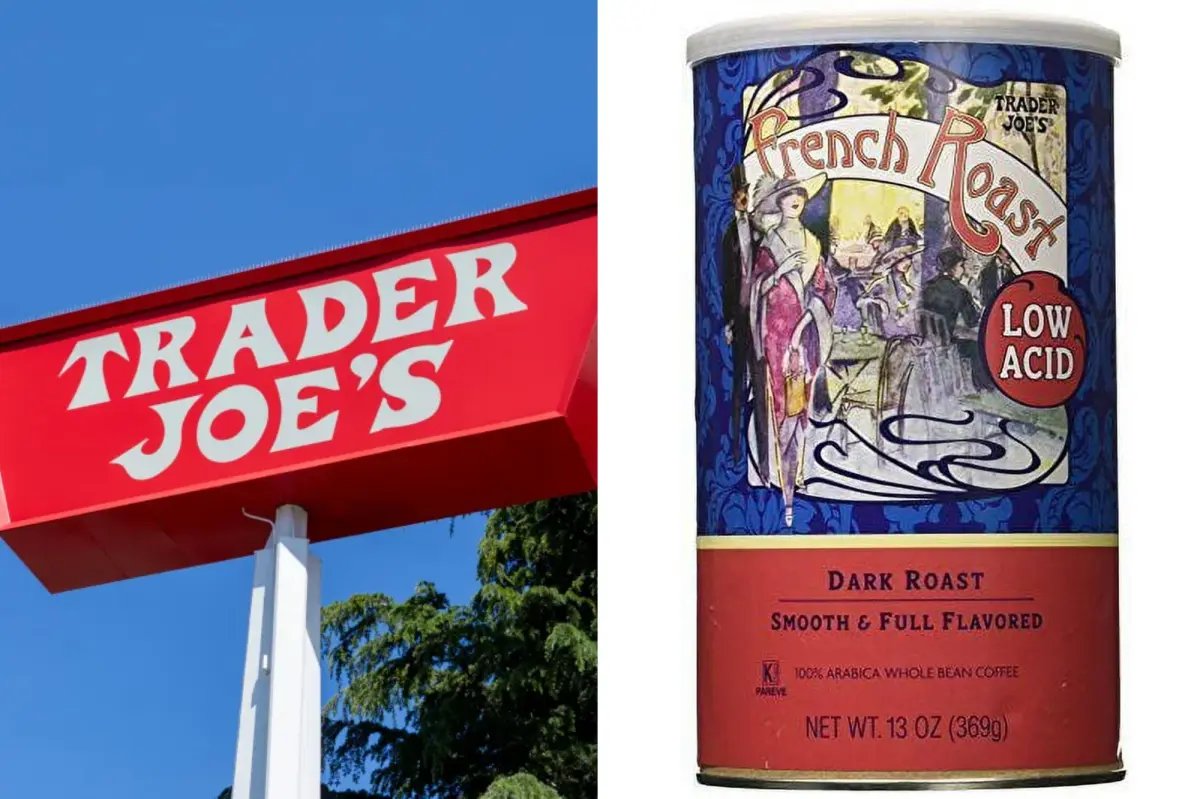
Trader Joe’s, a popular grocery chain, is facing a lawsuit filed in the Central District of California by customers who claim that the caffeine content in their French Roast Low Acid coffee is significantly lower than advertised. The lawsuit, initiated on Thursday, alleges that this specific coffee blend contains less than half the caffeine compared to traditional coffee options.
Customers contend that they expected their purchase to be fully caffeinated, but independent testing revealed otherwise. The suit describes this discrepancy as a “material misrepresentation,” emphasizing the importance of caffeine for coffee drinkers’ energy needs. The plaintiffs argue that the caffeine level in a coffee blend is crucial for purchasing decisions, and that “decaf” and “half-caff” options are not suitable substitutes for regular coffee consumers.
According to the lawsuit, typical coffee contains between 85 and 120 milligrams of caffeine per 8-ounce cup, whereas decaf coffee usually has only 2 to 5 milligrams, and “half-caff” blends contain 40 to 60 milligrams. Testing indicated that Trader Joe’s French Roast Low Acid coffee has 51% of the caffeine found in the company’s Dark French Roast and is less potent than other brands’ “half-caff” offerings as well.
The plaintiffs are seeking to end what they label as “systematic mislabeling” and “false advertising” practices by Trader Joe’s. Furthermore, they are pursuing unspecified damages and aiming to certify classes in California, Illinois, and New York, where the product is most commonly sold.
Why this story matters: The lawsuit raises questions about transparency in food labeling and consumers’ rights to know product contents.
Key takeaway: Accurate labeling is crucial for consumer trust, particularly regarding products like coffee that many rely on for daily energy.
Opposing viewpoint: Some may argue that individual testing methods can vary, and that personal perceptions of caffeine content may influence customer satisfaction.