


President Trump announced on Wednesday that he has directed the Department of Justice to investigate potential price gouging following a recent peace deal with Iran. He expressed frustration that U.S. gas prices are not decreasing swiftly enough despite a drop in oil prices.
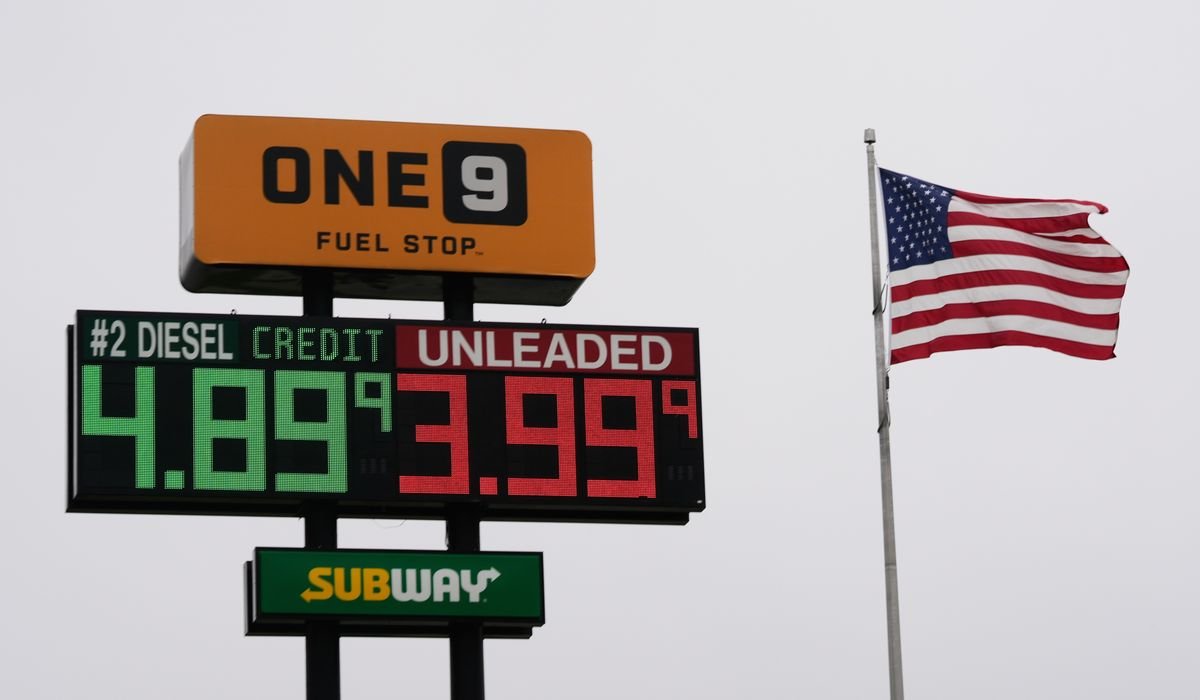
As of Wednesday, the average gas price in the U.S. was $3.92 per gallon, a significant reduction from $4.50 a month prior, according to AAA. In light of a memorandum of understanding reached between the U.S. and Iran that aims to open the Strait of Hormuz—an essential shipping route—the price of Brent crude oil has fallen below $75 per barrel.
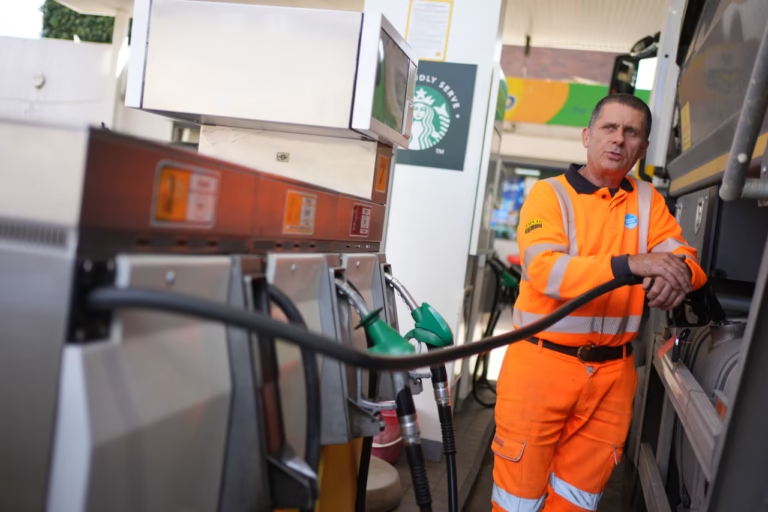
Trump criticized major oil companies for not passing on the lower oil prices to consumers at the pump, stating on social media that customers are being "gouged." He urged for quicker reductions in gas prices, pointing out the correlation between crude oil prices and gasoline costs.
Industry analysts noted that gas prices tend to decline more gradually than they rise, particularly during supply shocks. Furthermore, seasonal demand increases around spring and summer may counteract the downward trend in gas prices attributed to easing tensions with Iran.
While Trump takes credit for the drop in gas prices during his previous term, he also mentioned the potential for unfreezing Iranian assets to facilitate the purchase of American agricultural products, citing the need for food aid in Iran. However, Iranian officials have provided conflicting statements regarding these negotiations, asserting they do not wish for U.S. agricultural goods or permission for inspectors to access nuclear sites.
Why this story matters
- The investigation reflects ongoing concerns over market practices amid geopolitical tensions.
Key takeaway
- Gas prices are slowly declining, but frustrations persist regarding the pace of reductions.
Opposing viewpoint
- Analysts argue that the market dynamics do not support immediate price drops despite changes in crude oil prices.