

General Motors (GM) and Ford Motor are increasingly targeting military and energy sectors in their strategic expansion efforts. Historically rivals in the automotive industry, both companies are now competing for U.S. military contracts as the Pentagon seeks partnerships with manufacturers to boost its operational capabilities. This initiative follows a push from the former Trump administration for U.S. companies to leverage their mass production expertise in defense applications.
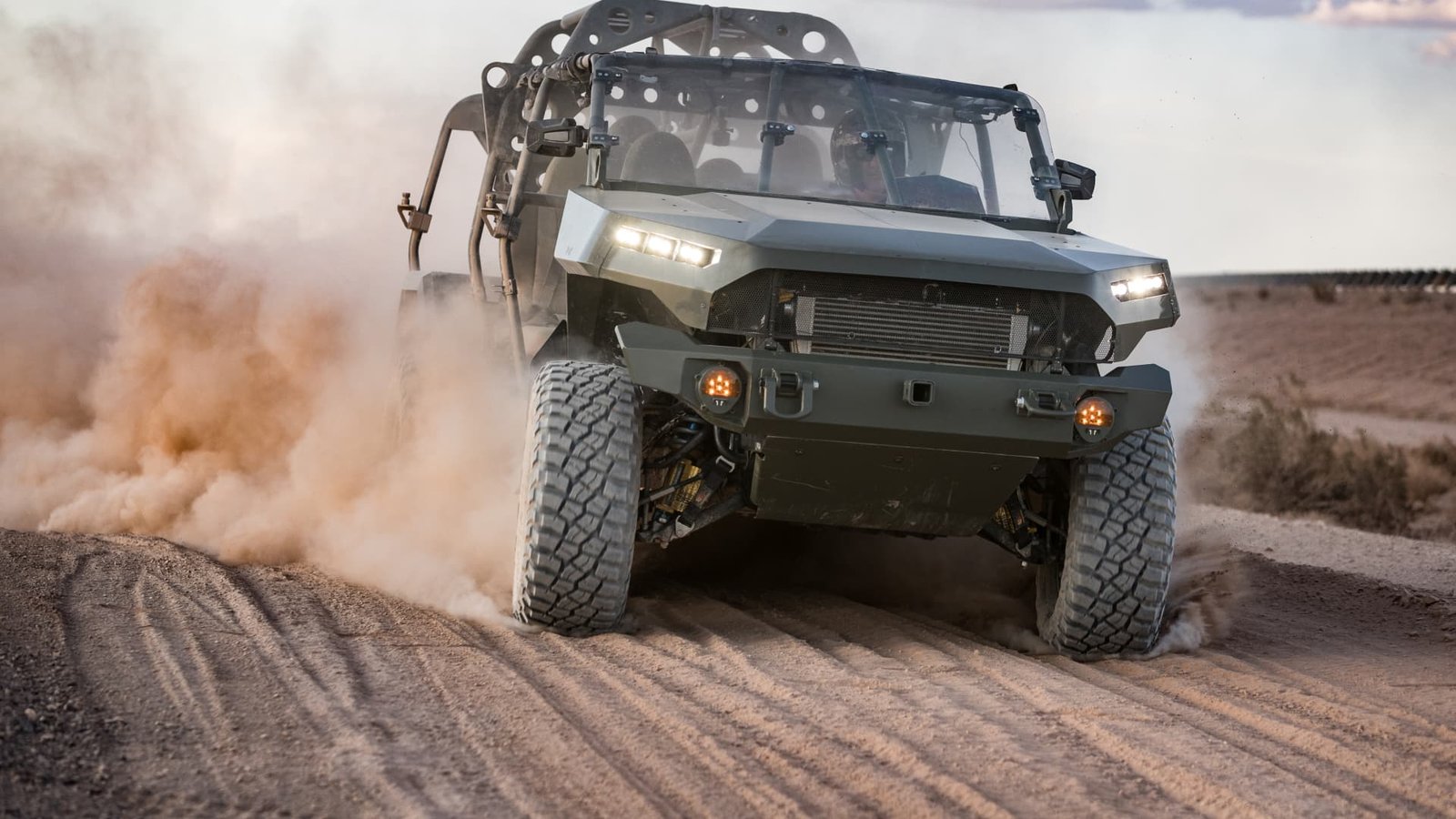
Primarily, GM is focusing on military vehicles, having recently secured a contract from the U.S. Army for its Infantry Squad Vehicle, with potential earnings exceeding $1 billion. Ford is following suit, aiming to establish a robust defense segment while simultaneously venturing into the energy storage system (ESS) market, which is preparing for significant growth amidst increasing electricity needs and rising consumer energy costs.
Both automakers are investing heavily in battery production facilities, anticipating that their existing electric vehicle (EV) technologies can be adapted for ESS applications. Analysts suggest that while these sectors may initially represent a small fraction of overall revenue for GM and Ford, they present opportunities for diversification as new vehicle sales in the U.S. slow.
The global ESS market is projected to expand from $668.7 billion in 2024 to $5.12 trillion by 2034, highlighting its potential importance. By collaborating with energy firms and investing in battery technology, both companies aim to turn substantial losses in their EV ventures into viable profit streams.
In the defense arena, GM has been actively reviving its defense unit to enhance its presence and aims for considerable growth in defense revenue by 2026. Ford is also making strides in defense, although detailed information on its initiatives remains sparse.
Why this story matters:
- It highlights the evolving roles of traditional automakers in defense and energy sectors.
Key takeaway:
- GM and Ford are diversifying into military and energy markets to create growth avenues amid slowing traditional vehicle sales.
Opposing viewpoint:
- While some see these expansions as viable, others argue that establishing a foothold in defense and energy may distract from core automotive operations.