


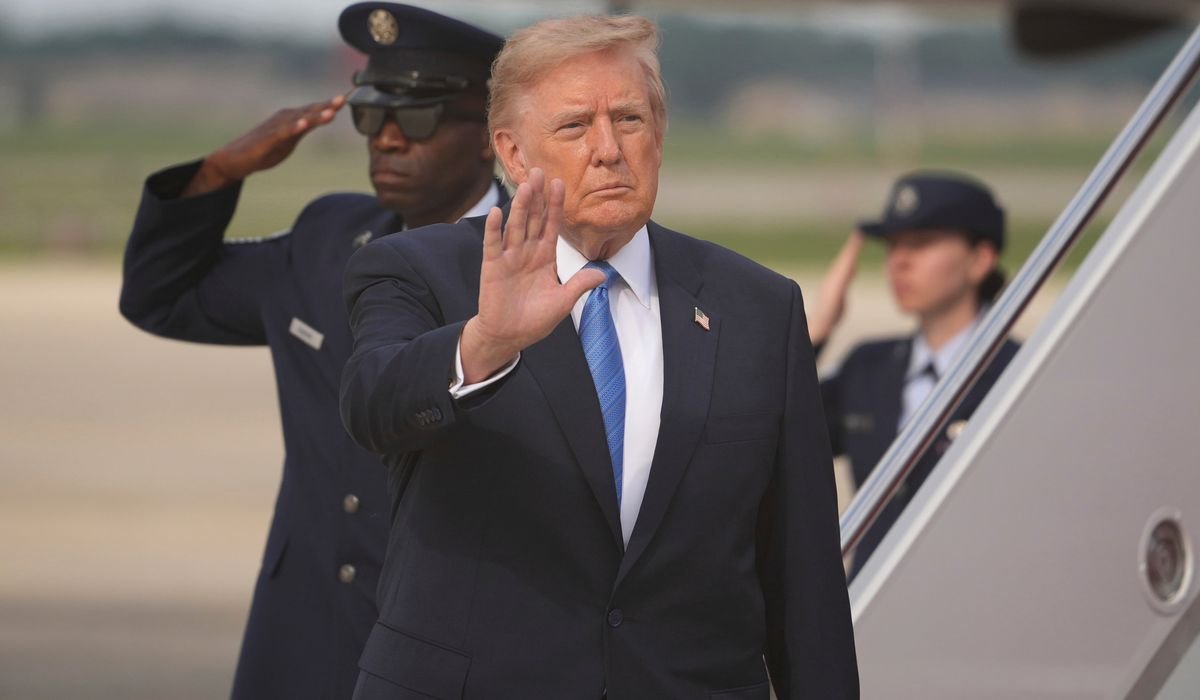
President Donald Trump announced a landmark agreement that grants the United States control over 65 billion barrels of Venezuela’s oil reserves. The announcement was made via social media on Friday, detailing negotiations led by Secretary of State Marco Rubio, Defense Secretary Pete Hegseth, and interim Venezuelan President Delcy Rodriguez.
In his post, Trump hailed the deal as potentially "THE BIGGEST OIL DEAL IN WORLD HISTORY." However, the Venezuelan government did not immediately provide a response to the announcement. This agreement surfaces nearly nine months after a failed U.S. military operation aimed at capturing Venezuelan President Nicolás Maduro, who faces charges related to narcoterrorism and drug trafficking.
The backdrop of this deal coincides with rising gas prices in the U.S., attributed to ongoing geopolitical tensions, particularly the U.S.-Israel conflict with Iran, which has disrupted oil transport through key routes. The average gas price in the U.S. was approximately $4.09 per gallon, a sharp increase from $3.21 last year.
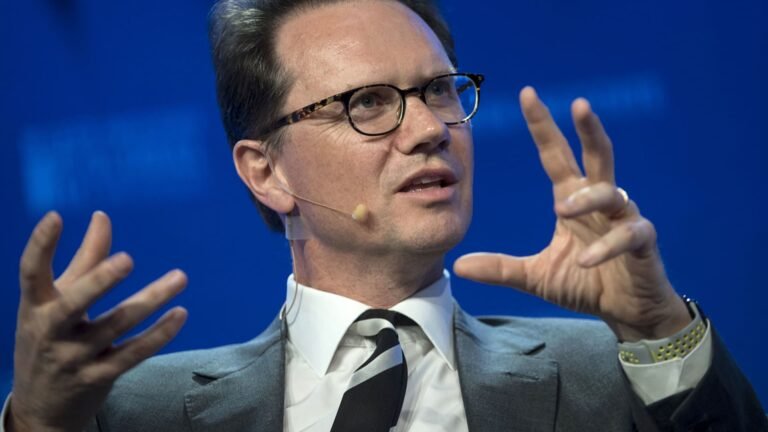
While Trump indicated a collaborative effort with private sector partners, details regarding these stakeholders remain unclear. Industry leaders express caution about re-engaging in Venezuela, given its tumultuous history and damaged infrastructure. ExxonMobil’s CEO, Darren Woods, previously described Venezuela as “un-investable,” reflecting apprehension within the oil industry.
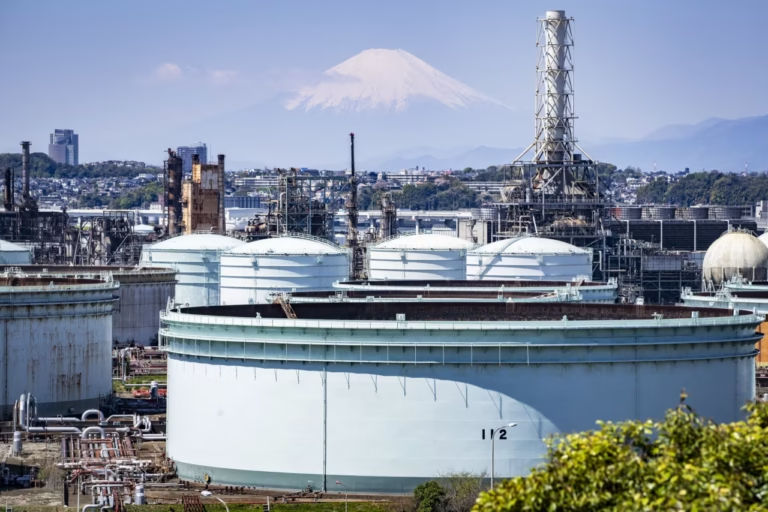
Despite these challenges, Trump maintains that his administration has stabilized the situation in Venezuela, arguing that previous nationalization actions by former President Hugo Chavez deprived the U.S. of its oil interests. Venezuela possesses one of the largest oil reserves globally, yet current production levels are low due to infrastructure issues.
Why this story matters:
- The U.S. agreement with Venezuela could significantly alter the global oil landscape amid rising gas prices domestically.
Key takeaway:
- The potential deal highlights ongoing geopolitical tensions and the complexities of re-engaging with Venezuelan oil resources.
Opposing viewpoint:
- Industry leaders remain skeptical about the viability of investing in Venezuela due to historical instability and existing infrastructure challenges.