


The Federal Reserve faces a challenging economic landscape as it strives to achieve its dual mandate of maximum employment and stable prices. Defined as maintaining inflation at 2% over the long term, this goal becomes increasingly difficult when economic conditions fluctuate. As of July, the annual Personal Consumption Expenditures (PCE) inflation rate stood at 3.7%, significantly above the Fed’s target and marking 65 consecutive months of elevated inflation.
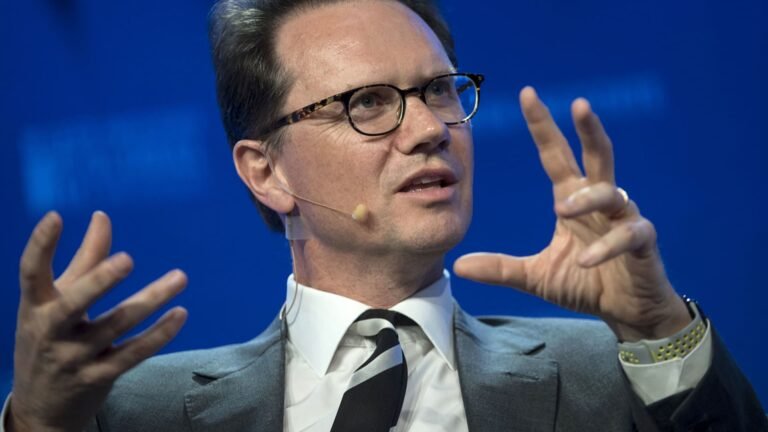
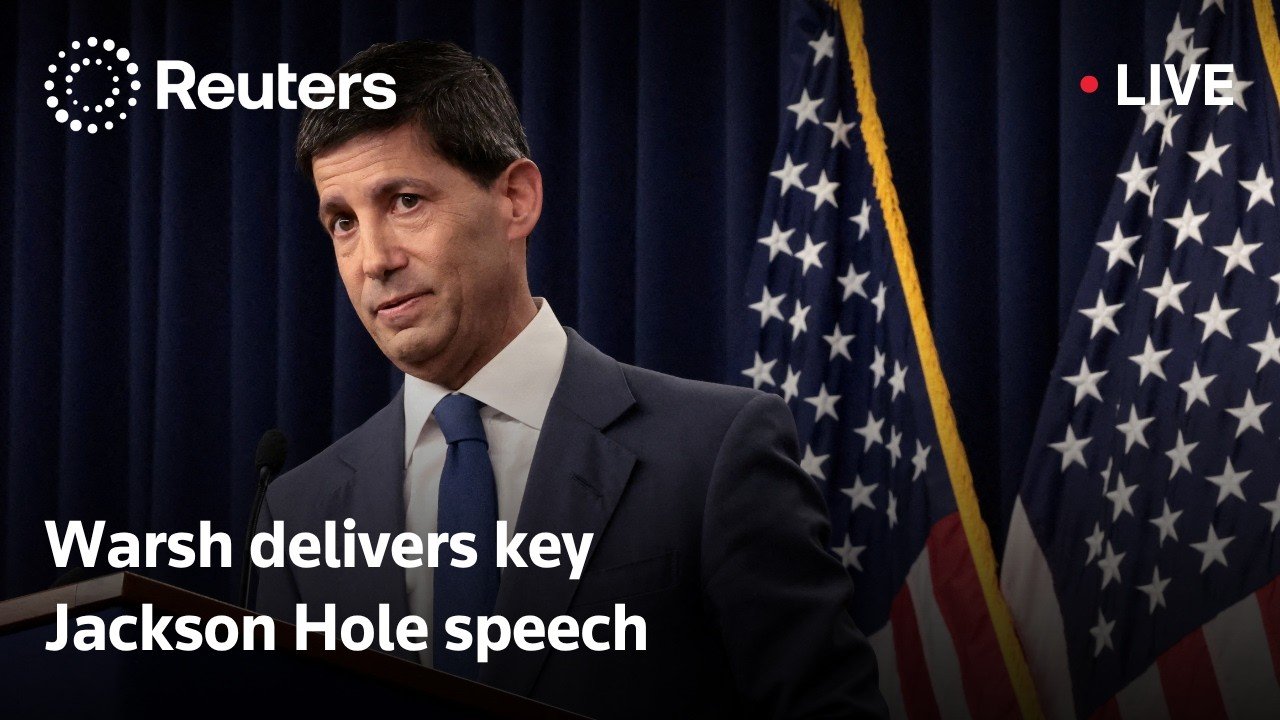
In response, Fed officials, including Boston Fed President Susan Collins and Chairman Kevin Warsh, have indicated a renewed focus on combating inflation. Collins remarked on the pervasive concerns regarding high prices, while Warsh emphasized that the Fed’s priority should be on ensuring price stability. However, no commitment to immediate rate increases was made, reflecting the uncertainty surrounding economic trends and data.
Currently, the economy exhibits signs of resilience. Consumer spending growth has been adjusted upward, and business investment remains strong. Yet, the implications of potential rate hikes loom large, particularly for housing affordability. The average 30-year fixed mortgage rate has reached 6.66%, significantly raising monthly payments for homebuyers and contributing to a notable decline in new home sales.
Despite the pressures caused by rising borrowing costs, maintaining low interest rates may allow inflation to linger, which poses its own risks to purchasing power. The Fed’s situation illustrates the delicate balance policymakers must strike, as decisions made to address inflation can have substantial impacts on families and businesses.
This complex environment necessitates careful consideration by the Fed to navigate these competing priorities without exacerbating financial strain on households.
Why this story matters
Key takeaway
Opposing viewpoint