


DUBAI, United Arab Emirates – The United States has intensified its airstrike campaign against Iran, targeting essential infrastructure in response to ongoing tensions in the region, particularly around the strategic Strait of Hormuz. Recent strikes have included bridges and energy facilities, as well as the collapse of a tower at Iran’s Chabahar port, a critical hub for trade involving Afghanistan.
In retaliation, Iran launched missile attacks against countries allied with the U.S., notably Qatar, which has played a mediating role in the conflict. These strikes included damage to a vital power and water desalination plant in Kuwait, underscoring the impact of the ongoing military actions on regional stability.
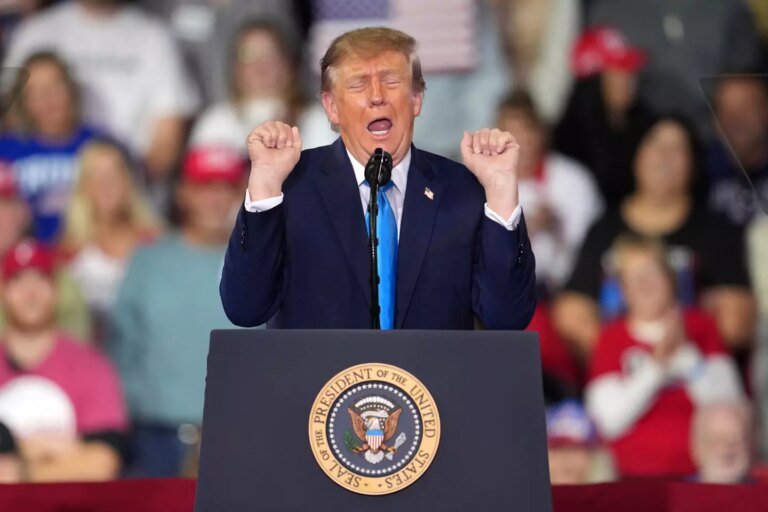
The fragile ceasefire established last month has disintegrated, leading to reciprocal assaults by both the U.S. and Iran. Iranian officials reported significant casualties resulting from the U.S. strikes, asserting that dozens have died and many more have been wounded. U.S. President Donald Trump, in a recent address, maintained that the military campaign was progressing favorably, expressing optimism about the outcomes soon to be visible.
The U.S. military confirmed that its recent airstrikes focused on dismantling infrastructure to disrupt transport links to Iran’s capital, Tehran, and to increase pressure on Tehran’s operations in the Strait of Hormuz. While the region continues to grapple with the fallout from these actions, the complex relationship among the involved nations raises questions about the future trajectory of the conflict.
Key points:
- Why this story matters: Escalating violence in the region affects global oil markets and international relations.
- Key takeaway: Increased military operations by the U.S. have prompted retaliatory actions from Iran, leading to significant casualties and damage.
- Opposing viewpoint: Some analysts argue that military action may lead to further destabilization rather than peaceful resolution of the conflict.