


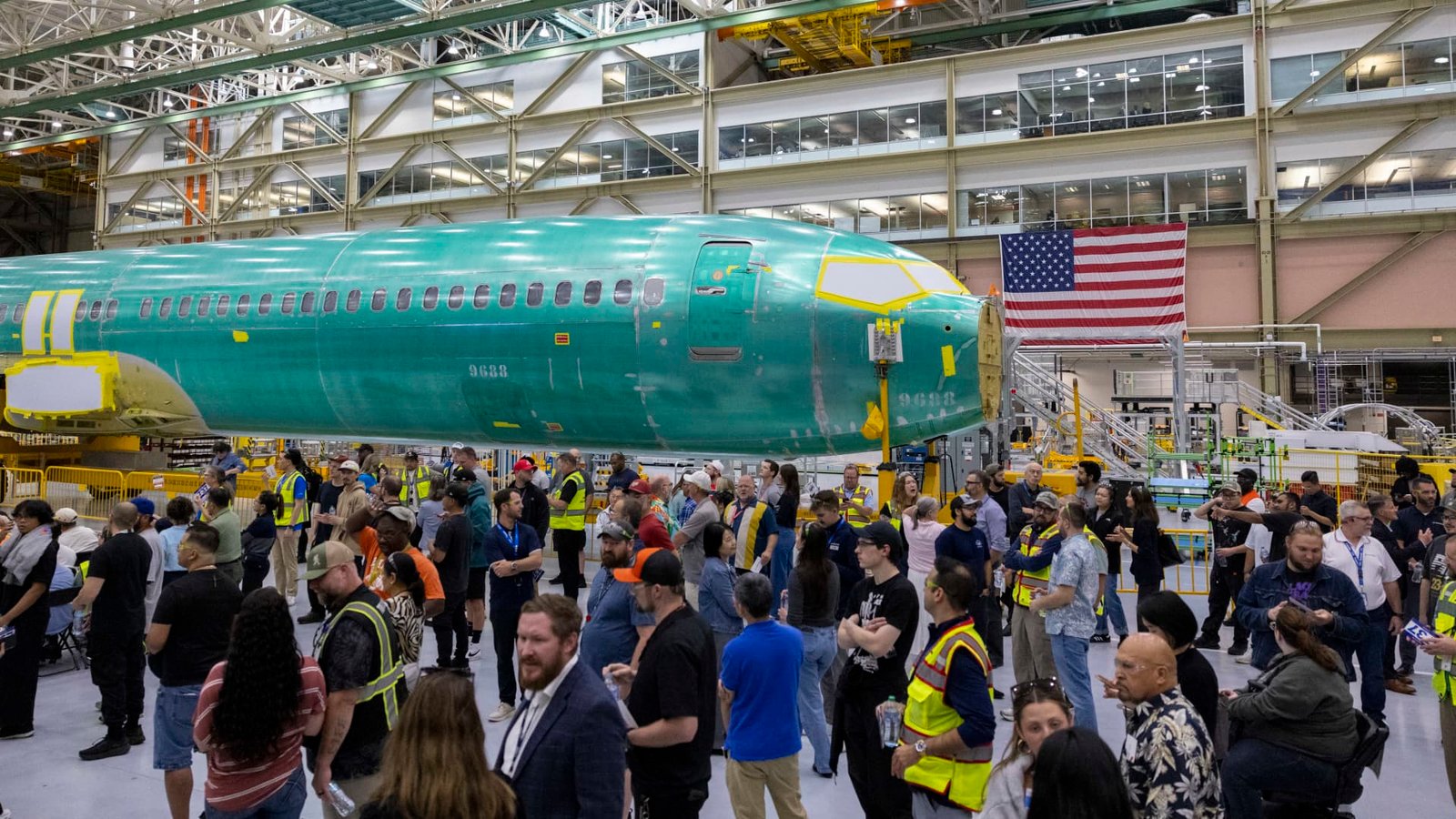
Boeing recently held an opening ceremony for its new North Line assembly line at the Everett Factory in Washington, aimed at producing the Boeing 737 MAX 10. This aircraft is the largest model in the popular 737 MAX family. Originally scheduled to enter service in 2020, the aircraft has faced significant delays in certification due to a redesign of its anti-icing system and increased regulatory scrutiny following past safety issues.
United Airlines, which has plans to incorporate the 737 MAX 10 into its fleet, has been negatively affected by these delays. The airline’s CEO, Scott Kirby, noted that the company possesses hundreds of lie-flat seats intended for the MAX 10, which remain unused due to the postponement of the aircraft’s federal approval. United has not yet revealed the configuration for its future MAX 10s or the specific routes they will service.
Parallel to the MAX 10’s troubles, United has revamped some of its Airbus A321neo aircraft to include premium seating options, responding to market trends favoring high-yield configurations on transcontinental routes. Despite this adaptive strategy, the airline is confronted with challenges due to differing dimensions and requirements between the two aircraft models. United holds an order for 167 MAX 10s and anticipates receiving its first deliveries in summer 2027.
Why this story matters
- Boeing’s ability to expedite the 737 MAX 10 certification process impacts its reputation and relationships with airlines.
Key takeaway
- United Airlines is in a challenging position with unused seating that is incompatible with other aircraft due to ongoing delays in Boeing’s aircraft production.
Opposing viewpoint
- Some industry analysts argue that Boeing’s systemic issues could provide opportunities for competitors to capture market share while MAX 10 continues to face hurdles.