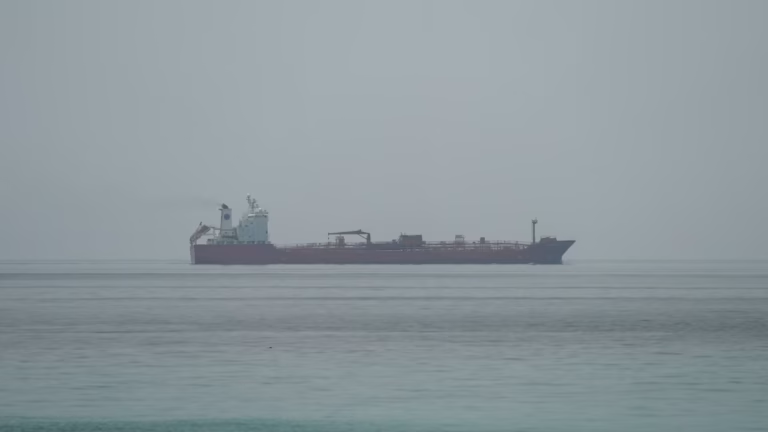


CARACAS — Venezuela has reported significant environmental damage along the coastlines of Sucre and Delta Amacuro states, as well as in the Gulf of Paria, due to an oil spill believed to have originated from Trinidad and Tobago. The Venezuelan Foreign Ministry expressed concerns over the "severe risks" posed to vital ecosystems, including mangroves and wetlands.
In a letter to the international community, the Venezuelan government indicated that initial assessments highlighted the potential long-term impact on the region’s environmental balance. However, details regarding when the spill was first detected and the quantity of oil involved have not been disclosed. Trinidad and Tobago has yet to respond to the allegations or confirm the spill’s occurrence.
The Venezuelan authorities have requested information on how the incident will be addressed and are seeking reparations in line with international environmental law. The two nations share the Gulf of Paria, which has been the subject of agreements concerning the exploration of hydrocarbon resources. Trinidad and Tobago is known for its extensive oil and gas exploration activities, ranking as one of the largest producers in the Caribbean.
This incident underscores ongoing tensions between the two countries and raises concerns for their mutual environmental responsibilities.
Why this story matters:
- Environmental health in the region is at risk, presenting potential consequences for both countries’ ecosystems.
Key takeaway:
- Venezuela urges accountability and mitigation actions following an alleged oil spill from Trinidad and Tobago, highlighting the need for international cooperation in environmental protection.
Opposing viewpoint:
- Trinidad and Tobago has not commented on the situation, leaving room for skepticism regarding Venezuela’s claims and the magnitude of the spill’s impact.