



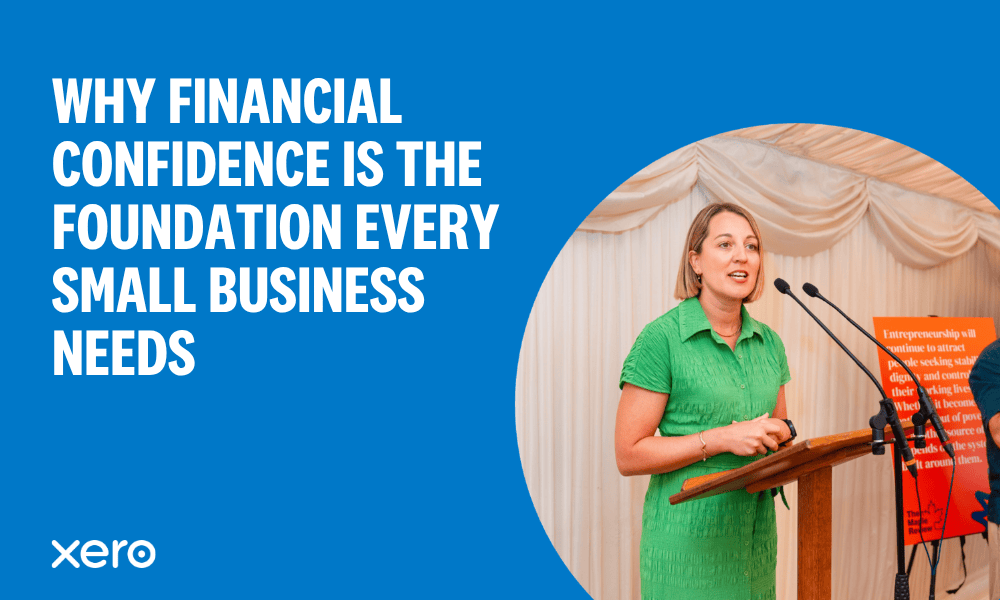
A recent survey of 1,000 UK students aged 16-21 reveals a growing interest in entrepreneurship among young people, with 72% expressing attraction to starting their own businesses. Despite this ambition, many report feeling hindered by a lack of financial knowledge, with 37% indicating that their financial skills limit their ability to launch a venture, and 67% perceiving entrepreneurship as too risky in the current economic climate. With youth unemployment at a decade-high and only 20% planning traditional career paths, entrepreneurship presents an alternative route for young individuals.
To address these challenges, Xero is collaborating with Small Business Britain on The Maple Review, an initiative aimed at identifying barriers to entrepreneurship, particularly for those facing economic hardship. The review proposes several recommendations, including the establishment of a National Business Skills Guarantee in schools, ensuring students receive practical business education and mentorship before graduation. It emphasizes the importance of financial confidence in business, elevating it to essential infrastructure rather than a supplementary resource.
Kate Perry, who founded her dog training business at 21, underscores the need for early exposure to financial management, noting her struggles with running a business without adequate preparation. Xero’s Financial Confidence Taskforce is actively working to enhance financial literacy in education, align relatable role models, and engage community resources to foster entrepreneurial confidence among young people.
Xero also offers accessible financial literacy resources through its Unlock Your Numbers program, which includes free content and mentoring to help entrepreneurs make informed financial decisions.
Why this story matters:
- Increasing youth engagement in entrepreneurship can help combat rising unemployment.
Key takeaway:
- A lack of financial skills is a significant barrier for young entrepreneurs.
Opposing viewpoint:
- Some may argue that traditional career paths remain more stable and secure compared to entrepreneurship.