



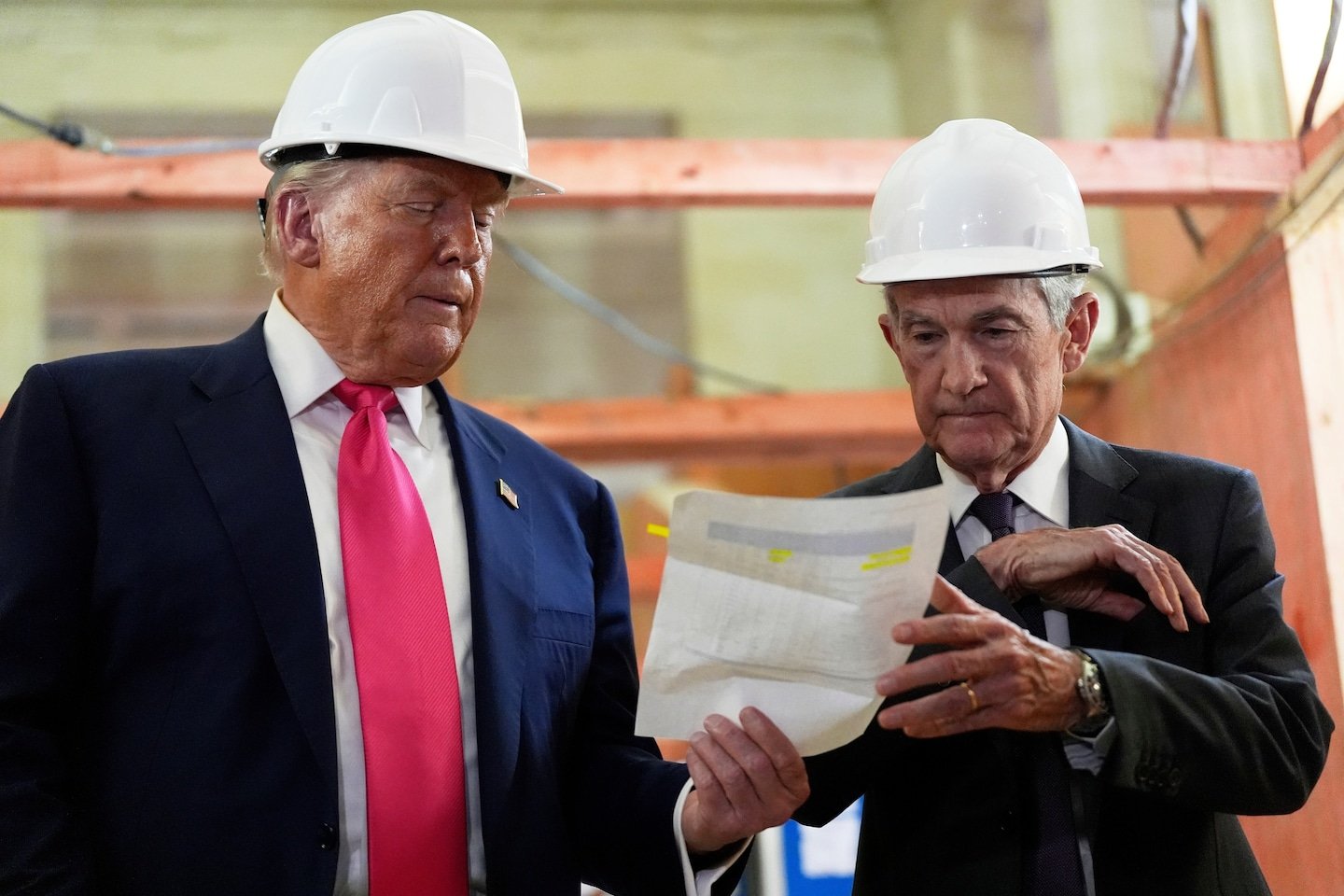
The Trump administration is considering challenging Jerome Powell’s intention to continue as the acting chairman of the Federal Reserve, contingent upon the Senate’s confirmation of Kevin Warsh by May 15. This potential move arises amid ongoing discussions regarding leadership at the Federal Reserve and the implications for U.S. monetary policy.
Jerome Powell, currently serving as the acting chair, has signaled his commitment to fulfilling this role. However, if the Senate does not confirm Warsh—a candidate nominated by President Trump—the administration may pursue other avenues to facilitate a leadership change at the Federal Reserve. This situation highlights the political complexities surrounding central bank appointments and the varying perspectives on economic management.
Powell’s approach to monetary policy and his handling of recent economic challenges have garnered attention, making this decision particularly significant for financial markets and economic stakeholders. As the deadline approaches, the administration’s stance and actions will likely create ripple effects in both political and economic spheres.
Why this story matters
- It highlights the intersection of politics and monetary policy in the U.S.
Key takeaway
- The Trump administration’s potential challenge to Powell emphasizes ongoing tensions regarding Federal Reserve leadership.
Opposing viewpoint
- Critics argue that destabilizing the Federal Reserve’s leadership could undermine market confidence and economic stability.