



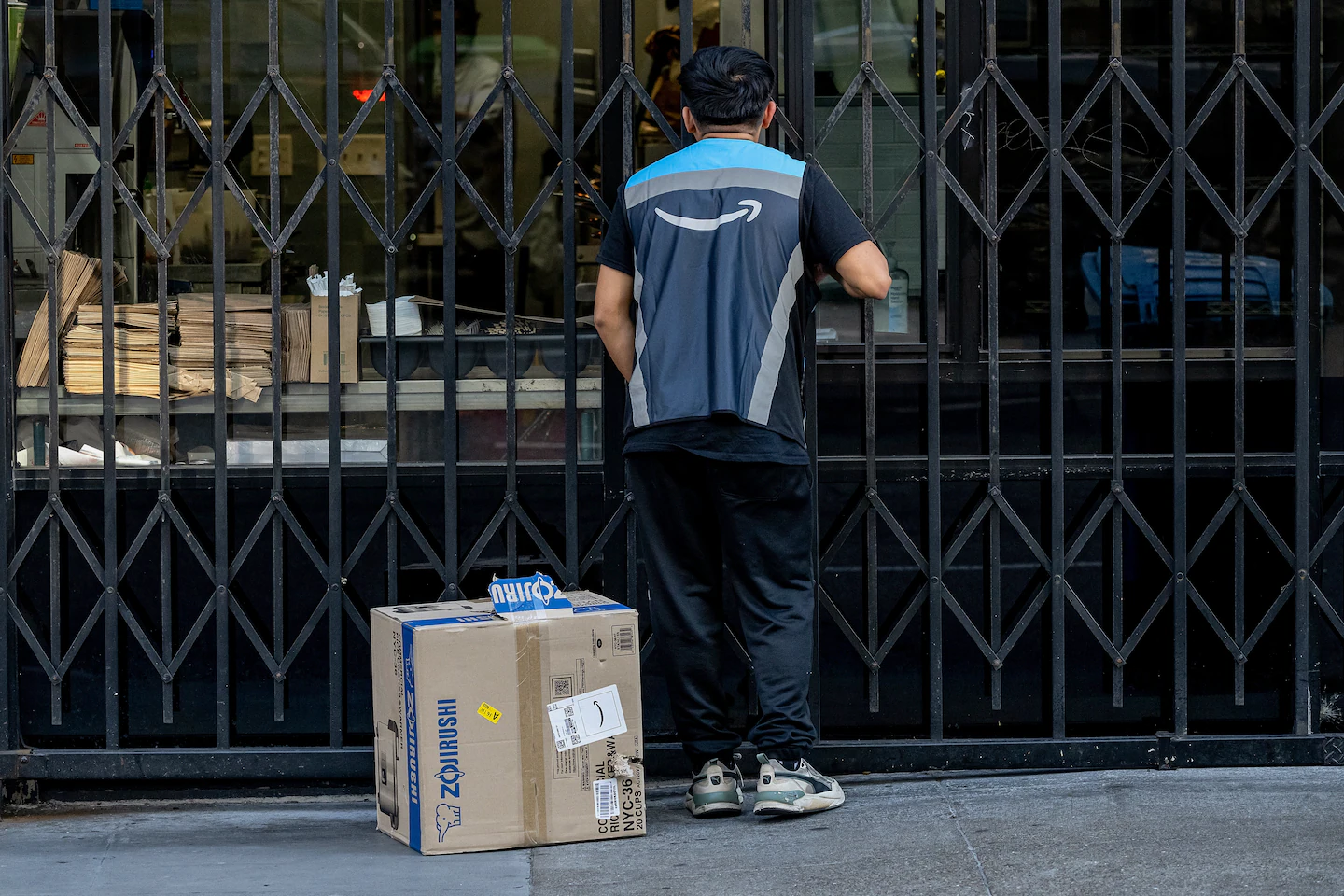
The number of Amazon workers relying on federal assistance has seen a significant increase, nearly tripling from 2020 to 2025. This trend has drawn attention as it reflects broader economic challenges in the gig economy and retail sectors. Concurrently, drivers for ride-hailing and food delivery services have also surged on lists provided by the U.S. Government Accountability Office, indicating a rising dependency on government support among various gig workers.
The growth in reliance on federal aid highlights the financial struggles faced by many workers in these industries. Despite being integral to the economy, their earnings have not kept pace with the cost of living, leading more individuals to seek assistance. This situation raises questions about the sustainability and fairness of current wage practices within these sectors.
As the situation evolves, policymakers may consider addressing these issues through legislative measures aimed at improving pay and working conditions for gig workers and retail employees. The increasing reliance on federal aid presents both a challenge and an opportunity for reforms aimed at enhancing the financial security of these workers.
– Why this story matters
The rising dependence on federal aid underscores the economic instability experienced by gig and retail workers.
– Key takeaway
Amazon workers relying on federal assistance nearly tripled between 2020 and 2025, reflecting financial struggles linked to the gig economy.
– Opposing viewpoint
Some argue that reliance on federal aid provides a safety net for workers, alleviating immediate financial pressures while they seek more stable employment options.