



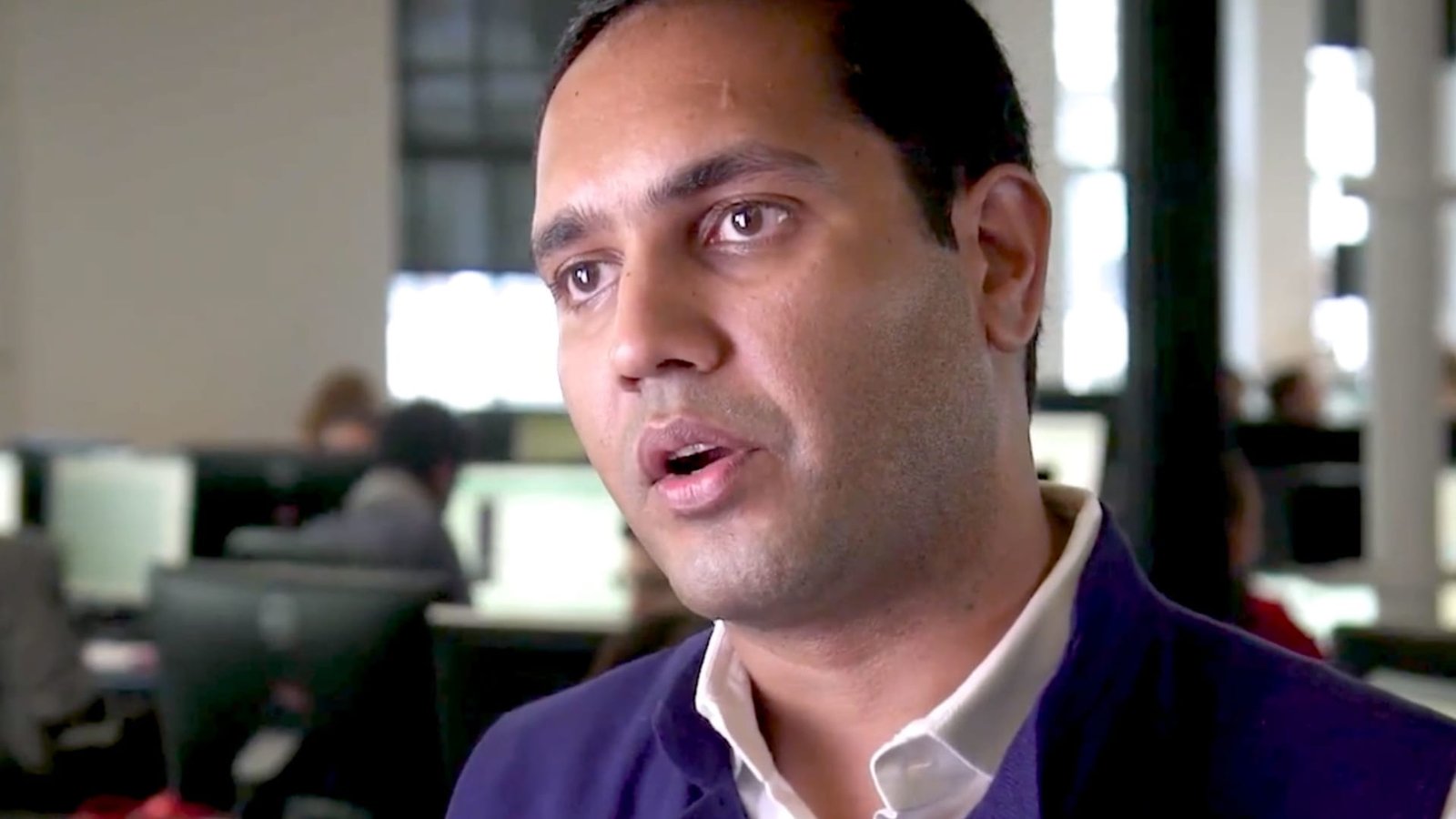
Online mortgage platform Better.com has teamed up with OpenAI to introduce an innovative application within ChatGPT designed to significantly streamline the mortgage underwriting process. This partnership aims to reduce the typical underwriting timeline from as long as 21 days to just 47 seconds, according to Better’s CEO, Vishal Garg.
The newly launched app integrates Better’s mortgage technology with OpenAI’s advanced models, facilitating faster operations for loan officers at banks and mortgage brokers. Giancarlo Lionetti, OpenAI’s Chief Commercial Officer, emphasized the potential of this technology to revolutionize home financing, making it more accessible and cost-effective for American families.
Historically, mortgage creation has been a prolonged process, often mired in numerous procedural steps. Following the 2008 financial crisis, major banks withdrew from the mortgage market, paving the way for non-bank entities like Rocket Mortgage and United Wholesale Mortgage to gain traction. With this new AI-driven solution, Better aims to shift its focus from a consumer lender to a “mortgage-as-a-service” tech provider, directly challenging established market players.
Upon the announcement, Better’s stock experienced a 5% rise, while rival companies Rocket Mortgage and UWM saw declines of approximately 5% and 4%, respectively. This development occurs during a period of increasing interest in leveraging artificial intelligence to address inefficiencies across various sectors, particularly in the $1 trillion U.S. mortgage market.
The application utilizes OpenAI’s models to process multiple checks—including appraisals and credit reports—simultaneously, enhancing speed and efficiency in mortgage underwriting.
Why this story matters: This innovation could reshape the mortgage industry, making home financing more efficient and affordable.
Key takeaway: Better.com’s new app could reduce mortgage underwriting times from weeks to mere seconds.
Opposing viewpoint: Established mortgage companies may resist adopting new technologies that threaten their traditional revenue streams.