

Major oil companies are experiencing significant profits as ongoing conflict in Iran disrupts energy markets, substantially driving up oil and gasoline prices. In the first quarter, six of Europe’s largest oil firms collectively reported profits of $22 billion, which marks over a 40% increase compared to the previous year. BP, a London-based company, indicated that its income more than doubled to $3.9 billion in the second quarter.
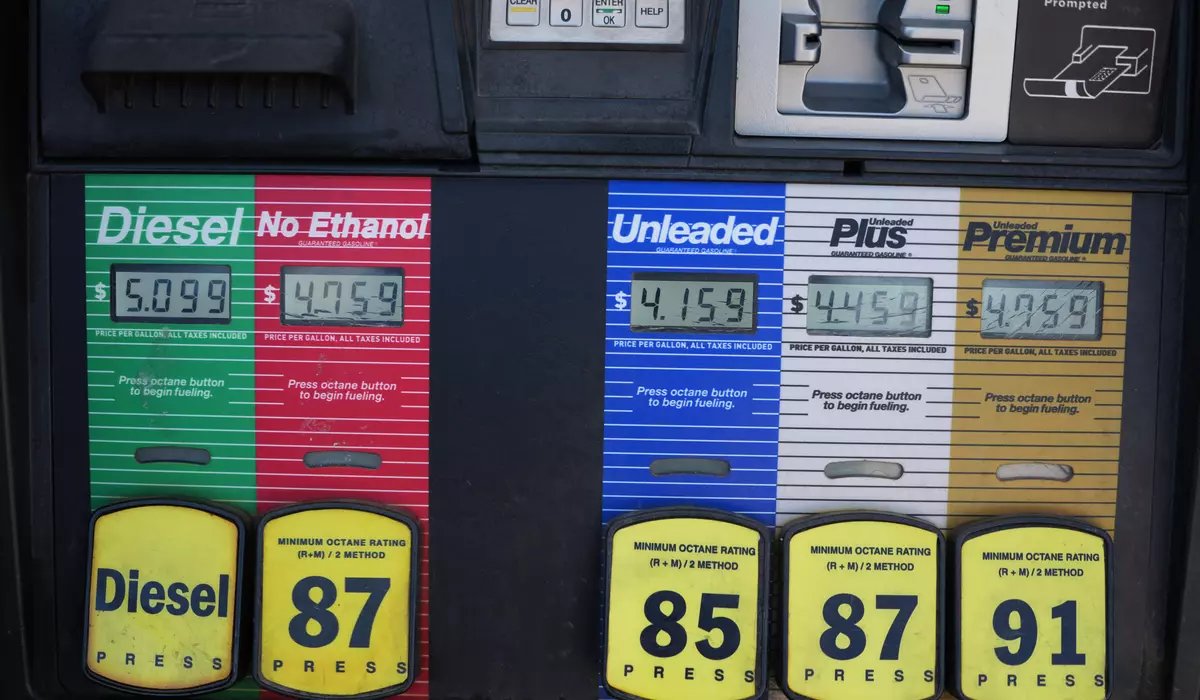
Saudi Aramco reported a 44% rise in its second-quarter net profit, totaling $32.69 billion. This surge is attributed to elevated prices for crude oil, refined products, and chemicals. These trends follow record profits announced by major U.S. oil drillers, which coincide with rising costs in gasoline, jet fuel, and diesel, subsequently increasing shipping expenses. Consumers in the West are facing higher prices at the pump and for air travel, while some regions in Asia struggle with fuel shortages, leading to rationing and school closures.
Despite a recent decline in oil prices, U.S. energy companies are under criticism from President Trump for their substantial profits, which he referred to as excessive. He urged companies like Chevron and Exxon Mobil to lower retail prices and “give some of that back to the public.”
Exxon Mobil reported second-quarter profits that doubled to $14.5 billion, bolstered by record diesel production, while Chevron’s profits soared nearly fourfold to $12 billion. Oil prices fell on Tuesday, amid reports of potential negotiations between the U.S. and Iran to reopen the strategically vital Strait of Hormuz, through which about 20% of the world’s oil is typically transported.
Why this story matters: Rising profits during a time of conflict raise ethical questions about energy pricing and corporate responsibility.
Key takeaway: Major oil companies report record profits due to geopolitical turmoil, straining consumer budgets globally.
Opposing viewpoint: Critics argue that energy companies should not profit excessively during global crises and should instead reflect these profits into lower prices for consumers.