



Establishing a successful small business involves navigating numerous components, from research to client acquisition. An often significant challenge is creating an effective remote office space that meets both the needs of the business and its employees.
To build a professional remote office, several key considerations should be addressed:
-
Define Business Objectives: Start by outlining essential functions such as client interactions and project collaboration. A well-planned blueprint helps prevent unnecessary expenditures on equipment.
-
Secure Connectivity: A reliable internet connection is crucial. Aim for high-speed internet with a solid business-grade router to ensure secure communications.
-
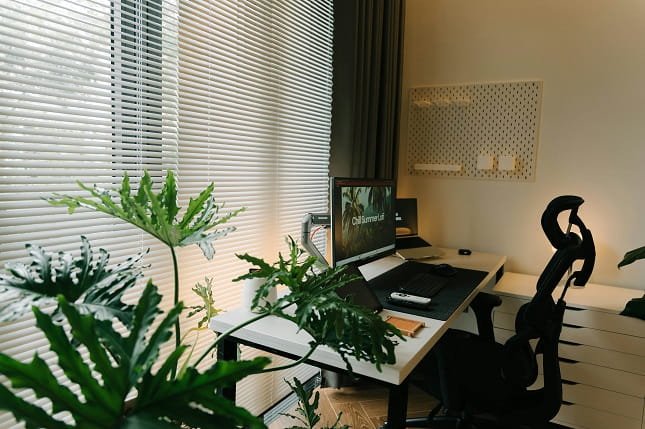
Optimize the Physical Environment: Invest in ergonomic furniture, appropriate lighting, and sound-absorbing materials to create a comfortable and professional atmosphere.
-
Utilize Collaboration Software: Implement tools that facilitate communication, project management, and document sharing to replicate the efficiency of a physical office.
-
Enhance Cybersecurity: Small businesses are often targets for cyber threats. Adopt multi-factor authentication and endpoint protection to safeguard data.
-
Implement Backup Strategies: Follow the 3-2-1 rule for data backup to ensure files are safe and retrievable.
-
Adhere to Legal and Compliance Standards: Understanding regulations related to data protection and occupational safety is vital, even for remote work.
-
Cultivate a Professional Culture: Encourage appropriate video attire and maintain regular check-ins to foster team camaraderie and accountability.
By strategically integrating these elements, small businesses can create remote offices that not only secure data but also reflect the professionalism of a traditional workspace, achieving operational efficiency and flexibility.
- Why this story matters: Small businesses increasingly rely on remote work; understanding how to create an effective workspace is critical to their success.
- Key takeaway: A well-planned remote office aligns technology, safety, and team culture with business goals.
- Opposing viewpoint: Some may argue that traditional office environments are more effective for collaboration and team dynamics.