


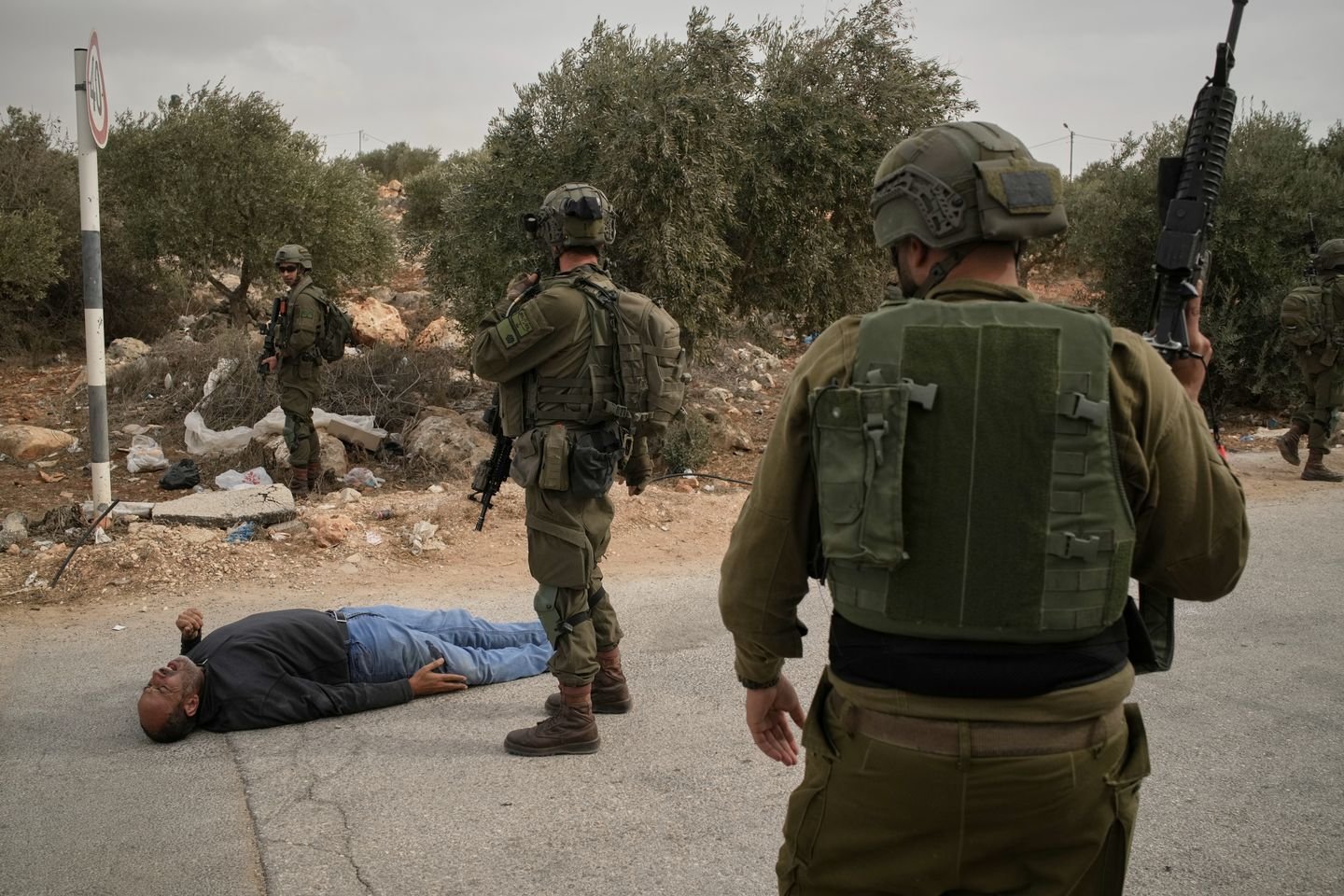
Tensions in the occupied West Bank escalated as Israeli settlers clashed with Palestinians during the annual olive harvest. Incidents were reported in various towns, where settlers attacked local residents, resulting in physical confrontations. Among those affected was a foreign journalist who sustained injuries during the unrest.
The olive harvest is a significant event for Palestinian communities, providing essential income and sustaining cultural practices. However, these confrontations have raised concerns about the safety and security of the harvesters, as well as the broader implications for Israeli-Palestinian relations.
Local authorities and international observers have condemned the violence, which they argue undermines efforts toward achieving peace and coexistence in the region. The attacks highlight the ongoing challenges faced by Palestinians, particularly in relation to land use and access to resources.
Israeli officials have not publicly commented on the incidents as of now. The situation reflects the complexities of life in the occupied territories, where communal tensions often erupt during key agricultural seasons.
Why this story matters
- Highlights the ongoing conflict and its impact on livelihoods in the West Bank.
Key takeaway
- The olive harvest remains a flashpoint for violence, emphasizing underlying tensions between Israeli settlers and Palestinians.
Opposing viewpoint
- Some argue that security measures are necessary in the region, citing safety concerns that may influence settlers’ actions.