


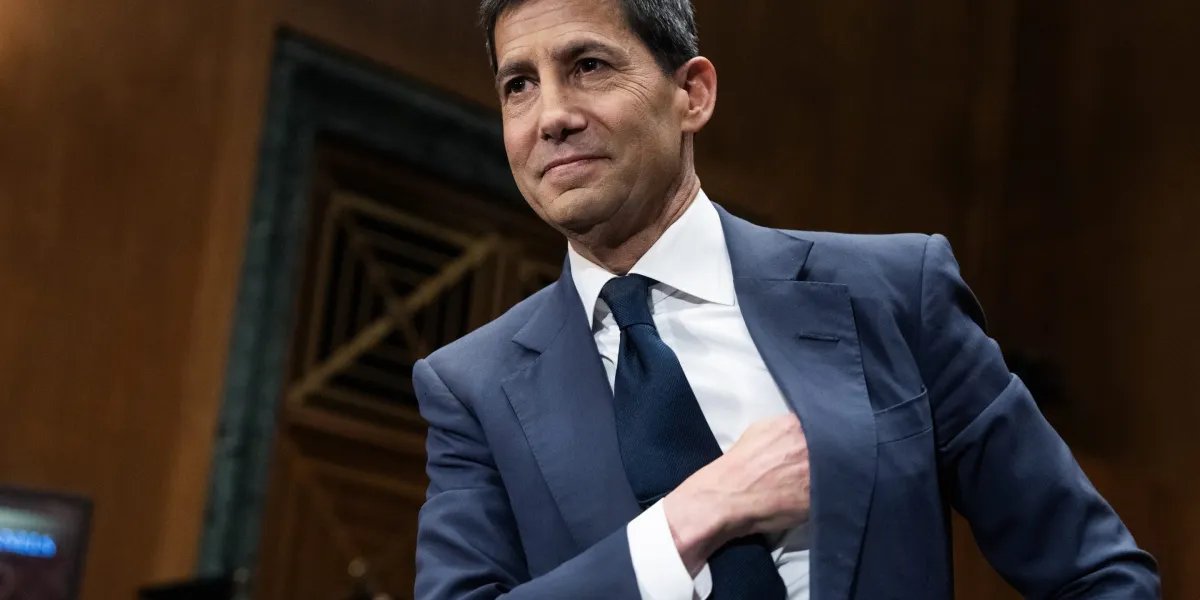
The U.S. Senate has confirmed Kevin Warsh as the new chair of the Federal Reserve, replacing Jerome Powell in a narrow 54-45 vote heavily influenced by party lines. Warsh, a former Fed official, takes charge amid significant inflationary pressures and internal disagreements within the central bank’s interest rate-setting committee.
Inflation has been above the Fed’s target of 2% for five consecutive years and is accelerating due to rising gas prices. The committee recently experienced its highest level of dissent in over thirty years, reflecting ongoing tensions regarding monetary policy direction. Despite receiving support from all Republican senators and some Democrats, Warsh’s nomination faced challenges, including concerns from Senator Thom Tillis, who withheld support until the conclusion of a Justice Department investigation into Powell.
Senate Majority Leader John Thune endorsed Warsh, emphasizing his understanding of both macroeconomic and microeconomic issues. Meanwhile, Trump has openly criticized Powell for not cutting interest rates and has sought departures within the Fed, indicating a desire for leadership that aligns closely with his vision. In December, Trump expressed the need for a chair willing to lower interest rates during stock market upticks, raising questions about Warsh’s autonomy in decision-making.
Warsh has previously criticized the Fed’s recent responses to inflation and sought to limit communication strategies, while Senate Democrats have raised eyebrows over his significant wealth, reportedly over $100 million, questioning his transparency. Despite doubts and controversies, Warsh pledged to operate independently.
As Warsh steps into his role, the Fed continues to navigate economic challenges, including a sharp increase in gas prices tied to geopolitical factors. The central bank faces scrutiny over its past responses to inflation and must balance immediate economic pressures with overarching monetary policy goals.
Key points:
- Why this story matters: The appointment of Warsh could significantly influence U.S. monetary policy during a critical economic period.
- Key takeaway: Warsh’s confirmation marks a shift in leadership at the Fed at a time of heightened inflation and internal dissent.
- Opposing viewpoint: Critics express concern that Warsh may prioritize political alignment with Trump over sound economic policy, potentially exacerbating inflation.