


Members of the Writers Guild of America (WGA) have formally ratified a four-year agreement with Hollywood studios and streaming services, concluding a negotiation process characterized by its efficiency compared to previous contract discussions. Approximately 90% of union members voted in favor of the deal, which was reached between the WGA West, WGA East, and the Alliance of Motion Picture and Television Producers (AMPTP). This agreement shifts the focus of negotiations towards actors and directors.
Union leaders highlighted improvements in health coverage amidst ongoing challenges in the industry and rising costs. Michele Mulroney, president of WGA West, stated that the contract aims to ensure the sustainability of the Health Fund and builds on achievements from earlier negotiations.
The new contract includes salary increases, particularly benefiting comedy and variety writers, and enhanced residual payments for the re-airing of their content. The AMPTP commended the union on the ratification, indicating that the agreement represents a collaborative effort to promote the long-term stability of both writers and the industry.
The tentative agreement was arrived at swiftly in early April, a significant difference from the contentious negotiations that led to strikes in 2023, which had temporarily halted production. It’s worth noting that the WGA has faced its own labor challenges, evidenced by a strike that resulted in the cancellation of its annual awards ceremony earlier this year.
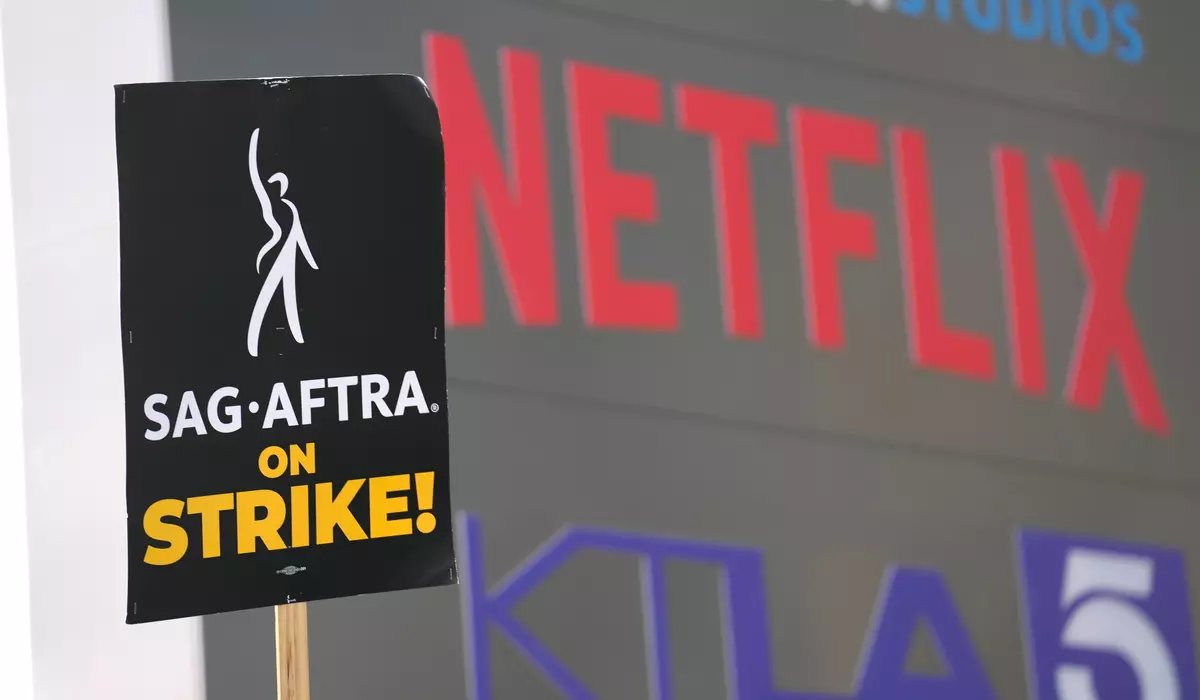
While the WGA has resolved its negotiations, the actors’ union (SAG-AFTRA) is still in talks regarding their contracts, with sessions resuming soon. The Directors Guild is also scheduled to begin contract discussions in May.
Why this story matters: The agreement illustrates a successful negotiation process, offering insights into ongoing labor relations in the entertainment industry.
Key takeaway: The new contract includes key benefits for writers, particularly in health coverage and pay.
Opposing viewpoint: Some may argue that while writers benefit, the agreements could still reflect broader inequities in how labor relations are managed within the industry.