


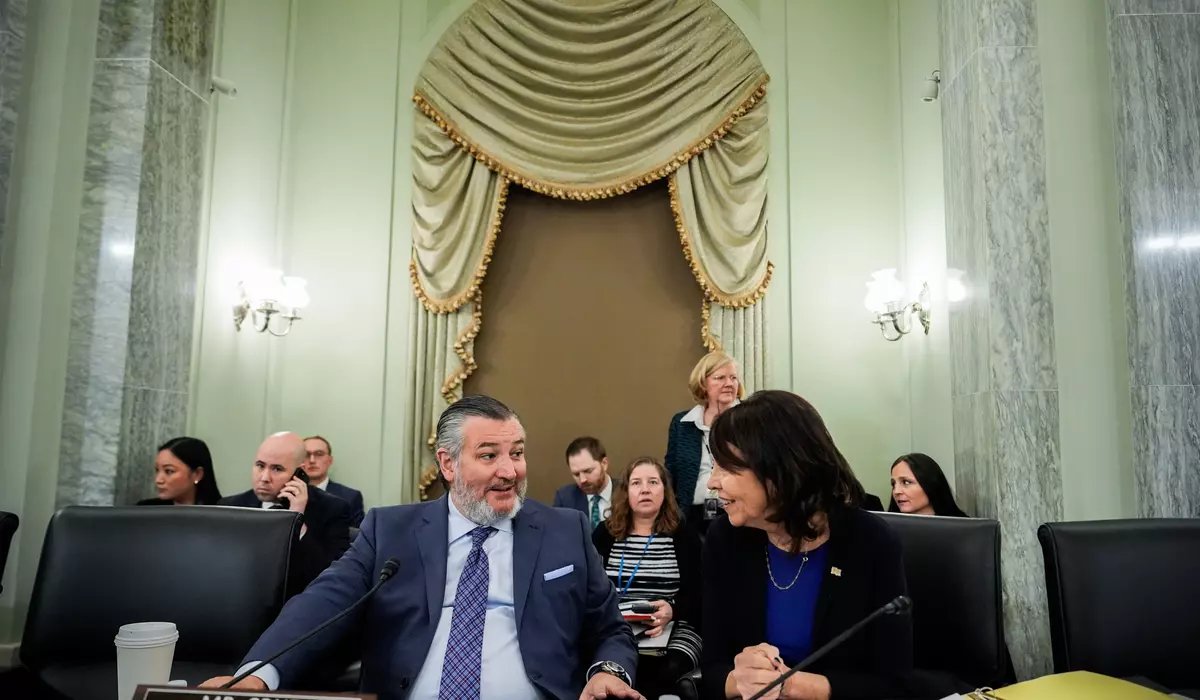
Senate negotiators are currently addressing significant differences with leaders from the Southeastern and Big Ten Conferences regarding revisions to a proposed bill aimed at regulating college sports. Senators Ted Cruz (R-Texas) and Maria Cantwell (D-Wash.) are advocating for a vote on the Protect College Sports Act before the Senate’s upcoming summer recess, which ends before August 7.
Discussions are ongoing, with one key element being a $20 million-plus “retention pool” designed to help schools retain players, effectively doubling the current revenue-sharing salary cap. The challenges presented by this proposed increase include concerns about its potential effects on third-party payments to players, which have contributed to rising roster costs. Additionally, clarity is needed on how the changes might align with a $2.8 billion lawsuit settlement that currently governs revenue sharing in college sports.
Notably, the proposed documents do not address revision requests regarding antitrust protections or preemption of state laws—issues that have been central to the discussions since the inception of this legislative effort. Earlier in the month, the SEC and Big Ten presented a set of recommendations that underscored these concerns.
Negotiations have also considered adjustments related to the participation of Olympic and women’s sports, as well as provisions to prevent private equity investors from funding the formation of a super league.
As the Senate’s summer break approaches, the urgency to finalize the legislation increases, setting the stage for what could be a pivotal change in the landscape of college athletics.
Why this story matters: Potential changes to college sports regulations could significantly impact how athletes are compensated and how colleges manage their sports programs.
Key takeaway: Legislative amendments may lead to increased funding for college athletes but raise concerns about compliance with existing legal settlements.
Opposing viewpoint: Critics argue that the changes could undermine fair competition and exacerbate financial disparities between programs.