



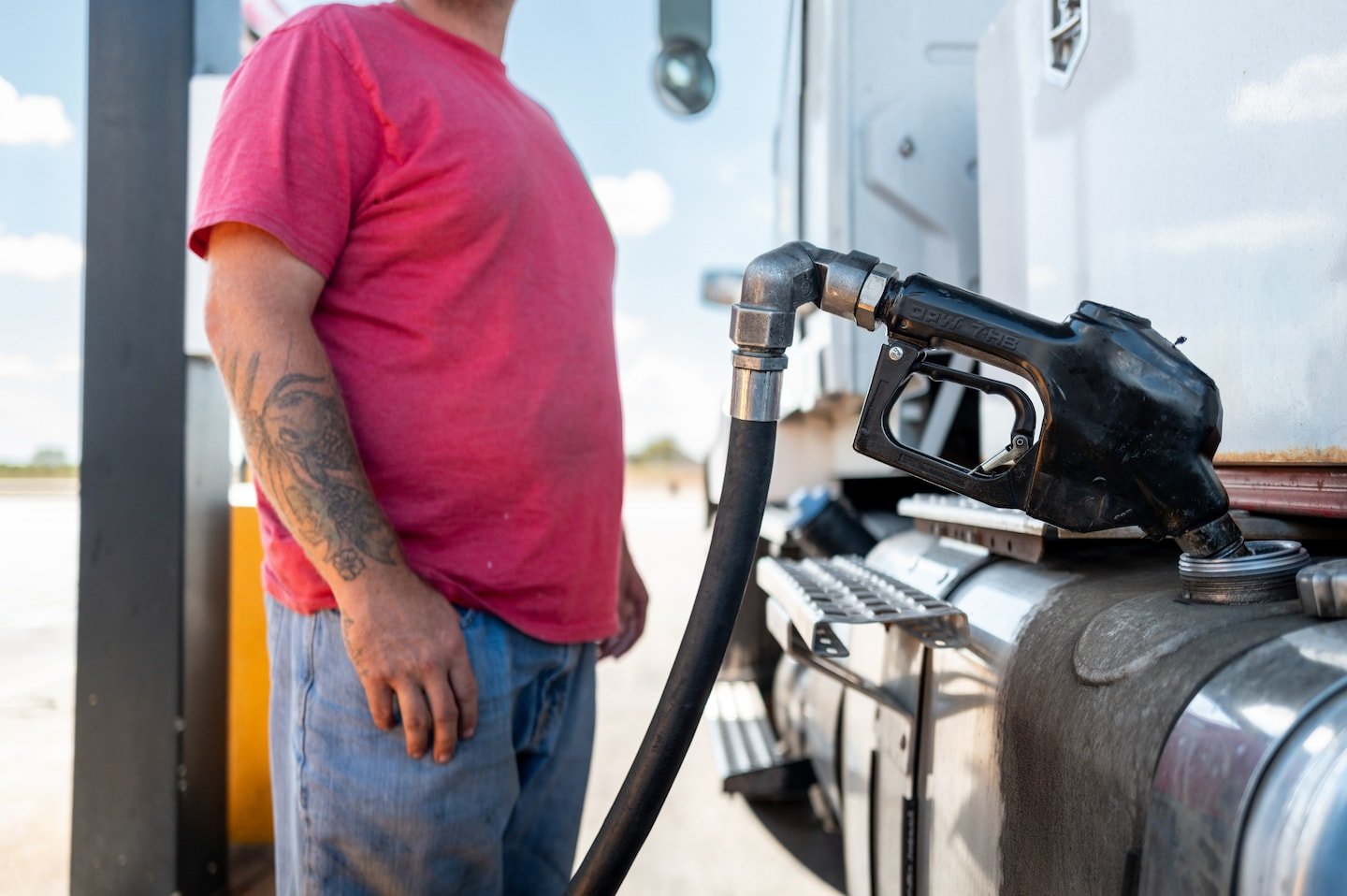
Texas Governor Greg Abbott has authorized the commercial use of diesel fuel that is typically designated for agricultural purposes. This decision comes as Abbott faces a competitive reelection campaign. The move is expected to impact various industries reliant on this fuel type, potentially reducing operational costs amidst fluctuating fuel prices.
By allowing commercial access to this specific diesel, Abbott aims to alleviate some financial pressures faced by businesses in the state. This action may provide temporary relief to sectors such as transportation and construction, which have expressed concerns over rising fuel expenses. The governor’s initiative is seen as a strategic effort to garner support from these industries, which play a vital role in the Texas economy.
Critics, however, argue that the shift could lead to increased environmental concerns and may violate regulations intended to safeguard agricultural resources. They contend that allowing broader commercial use of agricultural diesel may undermine efforts to maintain sustainable practices within the farming community.
As the reelection race intensifies, Governor Abbott’s decision illustrates the balancing act between supporting economic interests and addressing regulatory standards. The implications of this policy change will likely be closely monitored as Texas voters consider their options in the upcoming election.
Why this story matters:
- The decision reflects the intersection of economic policy and environmental regulation during an election cycle.
Key takeaway:
- Abbott’s authorization of commercial diesel use aims to ease business costs but raises potential environmental concerns.
Opposing viewpoint:
- Critics warn that this policy may compromise sustainable agricultural practices and regulatory integrity.