
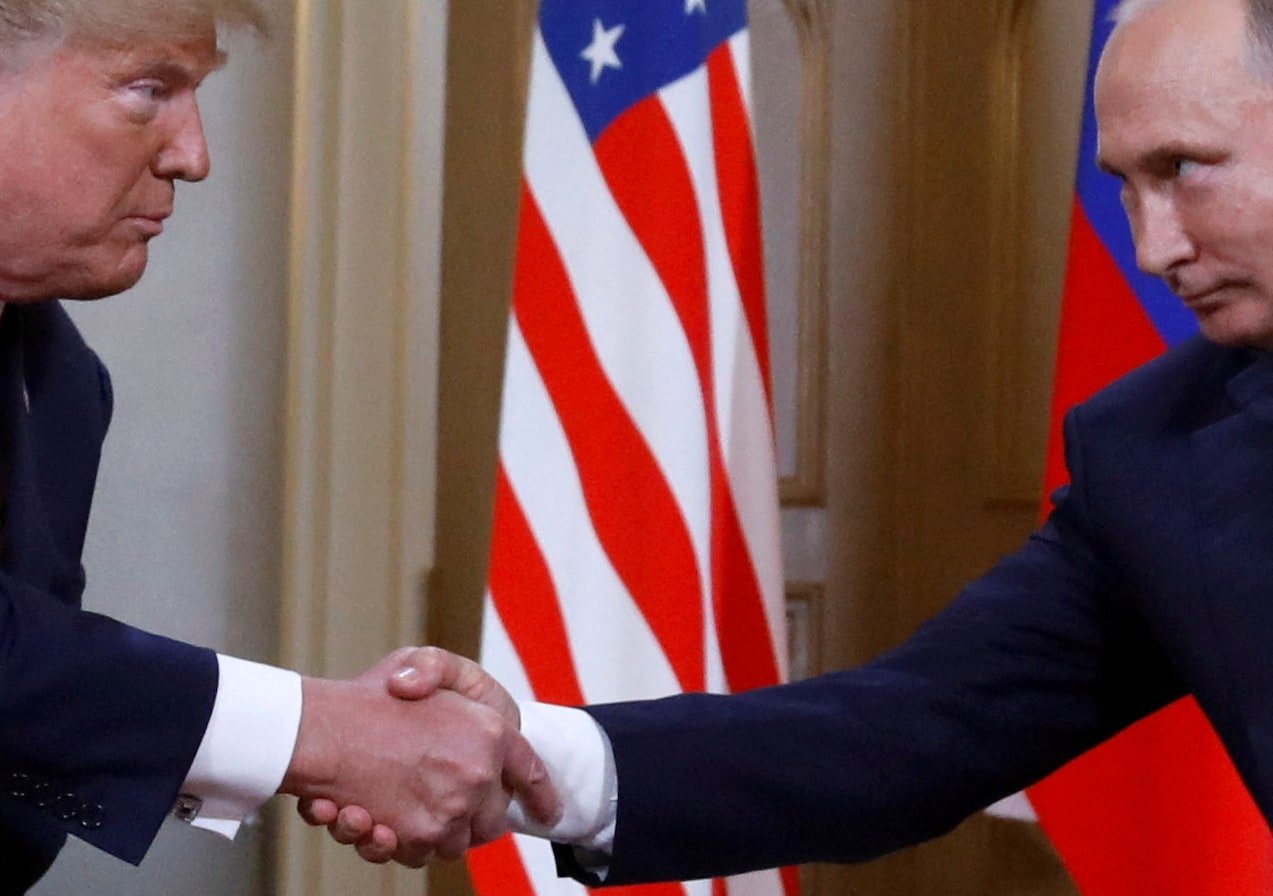
President Donald Trump has expressed his support for a controversial agreement involving the importation of Russian oil, despite significant bipartisan criticism. In a post on Truth Social, he highlighted the substantial financial transactions between the European Union and Russia, claiming that the EU has paid Russia $250 billion for energy. He suggested that the media is neglecting this aspect of the situation, asserting, “I made the right choice for the American People.”
The agreement comes amidst ongoing tensions related to energy dependency and international relations, particularly given the geopolitical climate surrounding Russia. The pushback from lawmakers across the political spectrum underscores the complexity of U.S. energy policies and their global implications, especially in light of concerns over energy security.
Trump’s remarks have reignited debates regarding the impact of foreign energy reliance on national security and economic stability. Critics argue that importing Russian oil undermines efforts to reduce reliance on adversarial nations and could have broader ramifications for U.S. foreign policy.
Why this story matters
- Highlights the complexities of U.S. energy policy and international relations.
Key takeaway
- Trump’s defense of the oil agreement emphasizes a polarized view on foreign energy dependence.
Opposing viewpoint
- Critics argue that importing Russian oil jeopardizes national security and undermines efforts to steer clear of adversarial nations.