


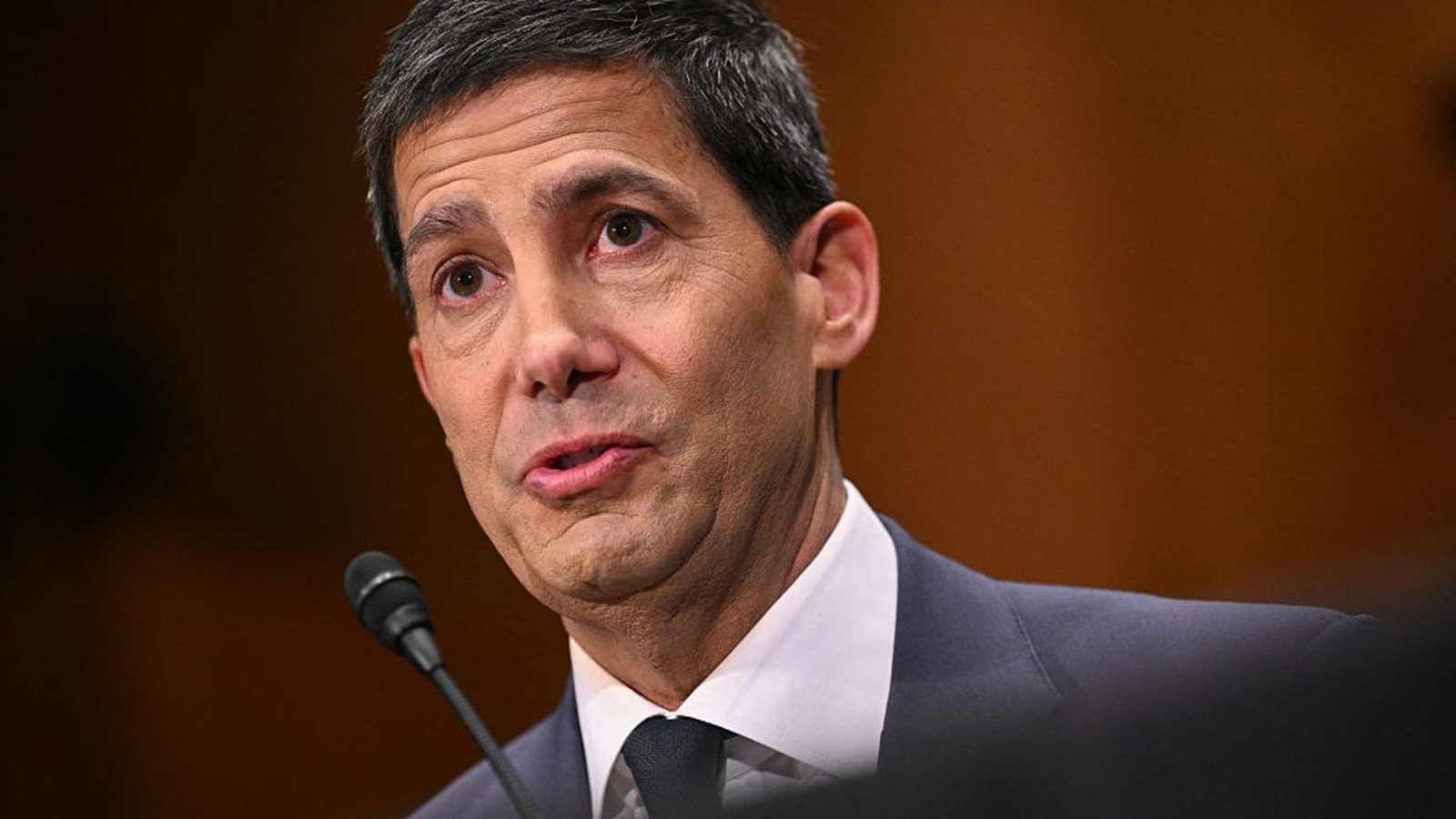
Kevin Warsh has been confirmed as the new chair of the U.S. Federal Reserve, succeeding Jerome Powell, whose term concludes this week. Warsh’s confirmation came via a 54-45 Senate vote, marking the most divisive vote for a Fed chair in history, with nearly all votes aligning along party lines, save for Pennsylvania Democrat Senator John Fetterman, who broke ranks to support Warsh.
The confirmation arrives during a period of heightened inflation, currently surpassing the Fed’s 2% target, complicating the discussion around potential interest rate cuts. President Donald Trump has actively criticized Powell’s policies, expressing a clear expectation that Warsh will pursue lower interest rates in response to economic conditions. Warsh, who previously served on the Fed from 2006 to 2011, brings experience in navigating monetary policy during challenging economic landscapes, having previously questioned the Fed’s expansive monetary tactics.
Many Republican leaders, including Representative French Hill of Arizona, have endorsed Warsh’s nomination, highlighting his commitment to prioritizing price stability and affordability in economic policy. Critics, however, remain concerned about the potential implications of lowering rates amid rising inflation, which may lead to uncertainty in financial markets.
In addition to his prior experience, Warsh’s tenure will also feature the challenge of adhering to new ethical standards regarding financial disclosures, which require him to divest from significant personal investments. His first meeting as Fed chair is scheduled for mid-June.
Why this story matters
- Warsh’s leadership could significantly influence U.S. monetary policy amidst rising inflation and economic uncertainty.
Key takeaway
- Warsh’s confirmation reflects a broader political divide and the ongoing debate over monetary policy strategies.
Opposing viewpoint
- Concerns exist that lowering interest rates in a high-inflation environment may exacerbate economic instability.