


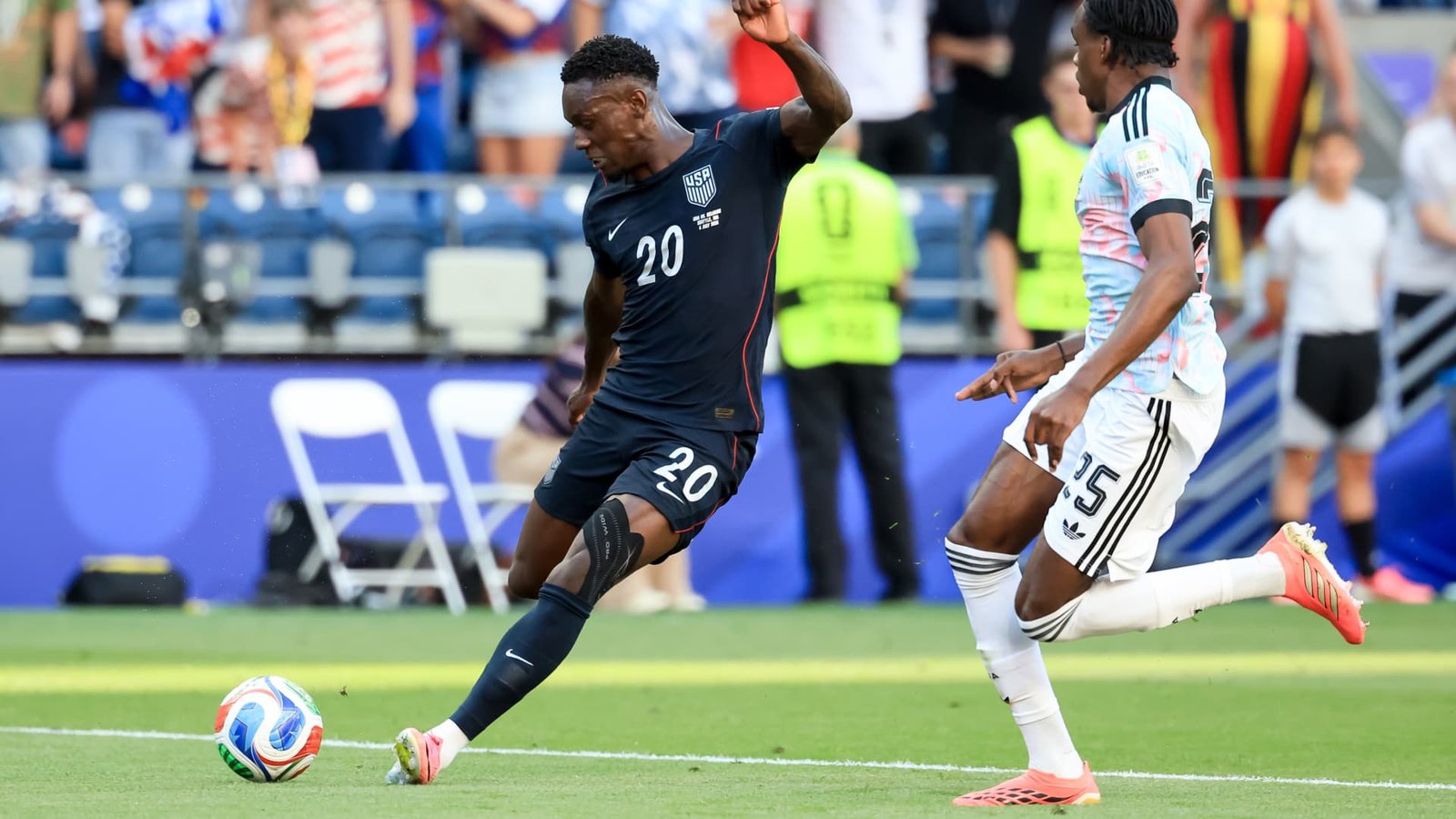
Folarin Balogun recently played a key role in the U.S. victory during the FIFA World Cup 2026 Round of 16 match against Belgium in Seattle. As the World Cup garners immense global attention, major media companies are mobilizing to secure broadcast rights for the upcoming men’s tournaments in 2030 and 2034. Netflix, Disney, and YouTube are positioning themselves to compete with Fox for U.S. broadcasting rights, a move that could instigate a substantial bidding war. Amazon and Apple are also potential contenders, heightening competition for these lucrative rights.
FIFA plans to initiate discussions with interested media partners in the next few months. Preliminary talks indicate a shift in strategy, with both English- and Spanish-language U.S. broadcast rights potentially being sold as a combined package, moving away from the separate sales that characterized previous tournaments. The financial stakes are high, with estimates for these rights ranging between $1.5 billion to $2 billion for each tournament.
In contrast to this year’s tournament hosted in North America, the 2030 World Cup will unfold across Morocco, Portugal, and Spain, and the following event in 2034 is set for Saudi Arabia. This shift may impact viewership levels due to time zone differences. Nonetheless, the impressive ratings from recent matches, including record-breaking viewership for U.S. games, could significantly enhance the value of the broadcasting rights.
Spokespeople from FIFA, Netflix, YouTube, and Disney have declined to comment on these developments.
Why this story matters
- The potential bidding war for World Cup broadcast rights highlights the growing importance of sports content in the streaming landscape.
Key takeaway
- Packaging English- and Spanish-language rights together may attract higher bids, reflecting the changing dynamics of viewership preferences.
Opposing viewpoint
- Some media companies may opt out of the bidding process if the package exceeds $2 billion, limiting competition and opportunities for broader audience engagement.